Many people who eat gluten-free describe not the food itself as difficult, but the social side of it. The small moments — explaining your order at a restaurant, declining a slice of cake at an office party, or asking about ingredients at a friend’s house — can create an uncomfortable awareness of standing out. Learning how to stop feeling awkward about eating gluten-free often starts with recognising that this discomfort is completely normal.
Modern society places great emphasis on eating together, which makes any deviation from the group feel conspicuous. When your meal looks different, you risk being labelled as picky or dramatic. The rise of the gluten-free “trend” has added to this confusion. What began as a medical necessity for people with coeliac disease has become associated with dieting and celebrity wellness, so genuine needs are often met with suspicion.
Psychologists who study social eating anxiety explain that humans are wired to seek belonging through shared food. When a person’s diet sets them apart, it can trigger mild shame or guilt, even if the choice is essential for health. Yet learning how to stop feeling awkward about eating gluten-free isn’t about changing your diet — it’s about understanding the social dynamics at play and developing calm assurance in your choices. With practice, that self-consciousness can be replaced by quiet confidence and self-respect.
Understanding Why You Feel Awkward

Social discomfort often begins with fear of judgment. When you ask for gluten-free options, you may worry that others think you are difficult or that the restaurant staff are rolling their eyes. These thoughts usually reflect internalised stigma, not reality.
The link between food and identity is strong. In a society that values convenience and conformity, special diets are viewed as complications. Studies in social psychology show that people tend to feel anxious when they behave differently from their group, even in harmless ways. Food is one of the clearest signals of belonging, so any variation feels magnified.
This awkwardness is particularly common among those newly diagnosed with coeliac disease or gluten sensitivity. Early on, you might not yet feel confident explaining your needs or reading food labels. That uncertainty makes every interaction seem loaded. With time, knowledge, and experience, that nervousness fades.
Recognising the emotion, naming it, and understanding where it comes from is the first step to overcoming it. You are not being oversensitive; you are responding to genuine social cues that can be managed and reframed.
Recognising That Gluten-Free Is Legitimate
A gluten-free diet is not a preference for many people. For those with coeliac disease, eating gluten triggers an autoimmune response that damages the small intestine and leads to long-term health problems. Even small amounts can cause harm. Others have medically confirmed gluten sensitivities that produce significant discomfort and fatigue.
Dietitians and medical authorities such as Coeliac UK emphasise that strict gluten avoidance is not optional for affected individuals. Adhering to the diet prevents nutrient deficiencies, inflammation, and secondary complications — including issues related to poor fibre intake if not carefully managed.
Even if you do not have a formal diagnosis, choosing to limit gluten for wellness reasons is still a valid expression of self-care. Everyone has the right to eat in a way that supports their comfort and energy.
Shifting your mindset from “I am a burden” to “I am being responsible” changes everything. When you see your diet as a form of care rather than restriction, social discomfort begins to fade.
Communicating Confidently About Your Diet

Clear communication is the foundation of social ease. You do not owe anyone a full medical explanation, but you do need to state your needs firmly. A calm, neutral tone works best.
Practical examples include:
-
“I need to eat gluten-free for health reasons.”
-
“I have a gluten sensitivity, so I have to be careful.”
-
“Thank you for checking. I’ll stick with the gluten-free option.”
These statements are polite yet decisive. They show you take your diet seriously without inviting unnecessary debate. Communication experts suggest avoiding long justifications, as over-explaining can make others think there is room for negotiation.
If someone questions you, respond with warmth rather than defensiveness. Most people are simply curious, not critical. A short, factual reply keeps the conversation comfortable.
Navigating Restaurants and Social Events
Restaurants and gatherings are where awkwardness peaks. Preparation is your best ally.
Before going out, look at menus online or call ahead to confirm gluten-free availability. Carrying a small emergency snack can prevent you from feeling trapped if safe options run out.
When ordering, ask simple questions such as,
“Is this prepared separately to avoid cross-contamination?” or “Do you have a gluten-free version of this dish?”
Most chefs and waiters are now trained to understand these requirements, and your calm professionalism sets the tone.
If you are attending a social event, discreetly let the host know in advance. Offer to bring a dish that everyone can share. This shows thoughtfulness and removes pressure from others.
If someone comments on your food, smile and move on. The less weight you give it, the faster the topic fades.
Health authorities such as the British Dietetic Association encourage assertive but relaxed communication in social settings. Safety should never be compromised, but courtesy and confidence go hand in hand.
Dealing with Friends, Family, and Colleagues

Explaining dietary needs to people you care about can be tricky. You might worry about seeming demanding or high-maintenance. Yet honest communication builds understanding.
Start with appreciation. Say,
“I really appreciate it when people check whether food is gluten-free. It makes a big difference.”
Gratitude softens boundaries and encourages cooperation.
When family or colleagues tease or downplay your diet, remember that humour is often a mask for discomfort or ignorance. Calm repetition of facts usually resolves tension. “It’s not a trend for me, it’s a medical requirement”, ends most conversations without confrontation.
If someone continually ignores your needs, create boundaries gently but firmly. Suggest separate meal arrangements or bring your own food when necessary. Your health is not negotiable, and the people who value you will respect that.
Building Confidence Through Knowledge
Knowledge reduces fear. Understanding how gluten affects your body builds certainty and replaces defensiveness with assurance. Learn how to identify hidden gluten in sauces, condiments, and drinks. Familiarise yourself with safe brands and food labels.
When you can explain your diet accurately, others perceive it as credible and sensible. Confidence is contagious. You are more likely to be taken seriously when you communicate from a place of clarity rather than anxiety.
Health psychologists note that mastery of practical details gives people a greater sense of control. Each time you successfully manage your diet in a public setting, your confidence deepens.
Reframing Mindset: From Awkward to Empowered
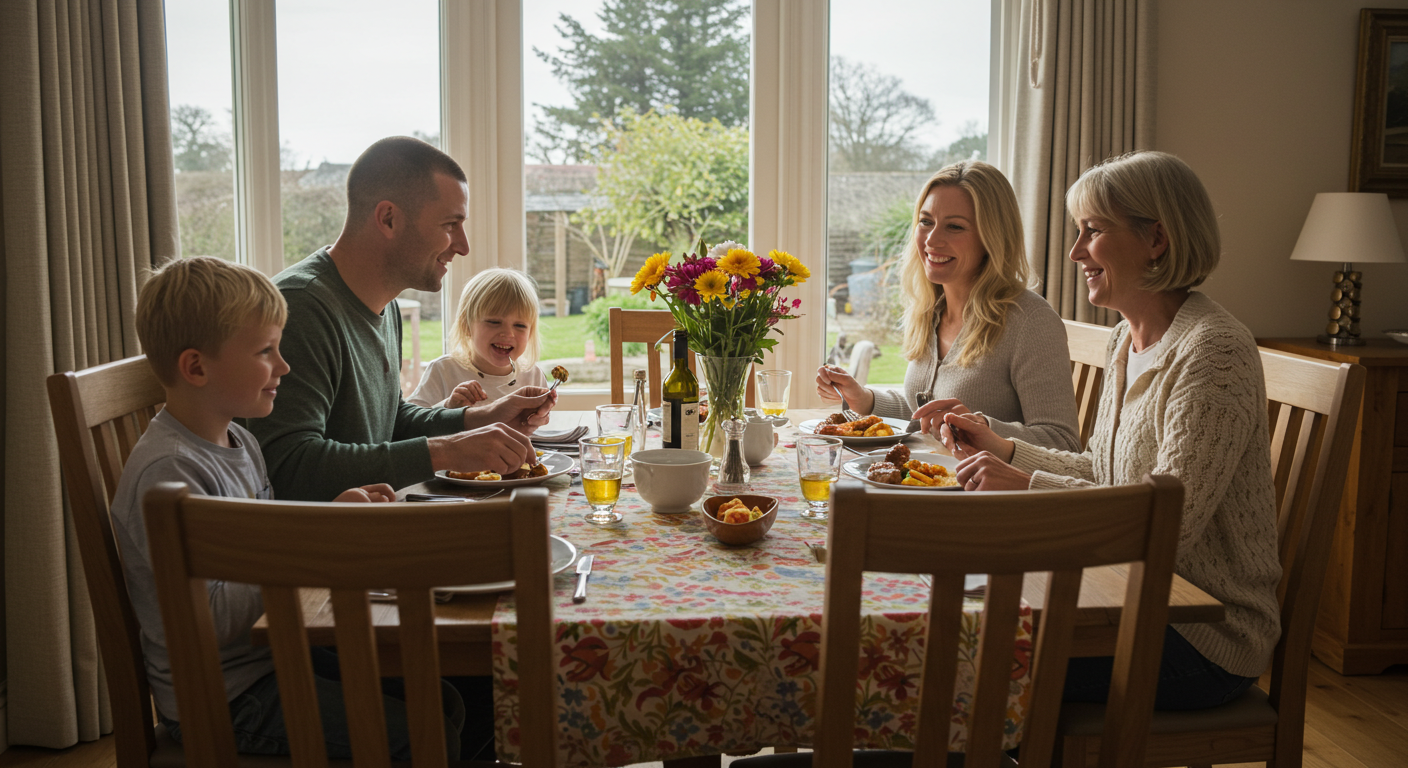
Instead of focusing on what you cannot eat, focus on what your choices give you — stability, health, and comfort. Each gluten-free meal is an act of self-respect.
Reframing your mindset shifts the emotional weight from restriction to empowerment. You are not being awkward; you are protecting your well-being. The more often you remind yourself of this truth, the less power social discomfort holds.
Behavioural psychologists emphasise that reframing changes not only mood but behaviour. People who associate their diets with empowerment rather than embarrassment show higher adherence and lower stress.
Permit yourself to take up space. Choosing health is never something to apologise for.
Creating a Supportive Environment
Community makes change sustainable. Seek connection with others living gluten-free, whether online or in person. Forums, social groups, and community pages provide reassurance and practical advice on safe restaurants and recipes.
Sharing experiences normalises your journey. You will quickly realise that everyone feels awkward at first, and that confidence grows with repetition.
Encourage open dialogue with friends and family. The more familiar others become with your routine, the less they notice or question it. This mutual understanding turns potential tension into support.
Social reinforcement has measurable benefits for both mental health and dietary adherence. People surrounded by supportive peers are far more likely to maintain long-term habits successfully.
Practical Tips for Everyday Confidence

-
Practise your responses. Prepare short, friendly answers for common questions so you do not freeze in the moment.
-
Carry backup food. Keep snacks like gluten-free bars or nuts in your bag to avoid hunger or panic.
-
Choose smart venues. Pick restaurants with clear gluten-free menus and reviews from trusted sources.
-
Stay calm under pressure. Mistakes happen, but confidence and preparation prevent panic.
-
Educate, don’t preach. Share what you know when people ask, but keep the tone light.
-
Focus on health, not judgment. You are maintaining your well-being, not proving a point.
-
Reflect on progress. Each successful outing builds resilience. Keep track of how much easier it becomes over time.
Conclusion: How to Stop Feeling Awkward About Eating Gluten-Free

Feeling awkward about eating gluten-free is common, especially in the beginning. Society places value on shared meals and sameness, so it takes time to adjust to standing apart. With knowledge, preparation, and self-assurance, that awkwardness fades and is replaced by quiet confidence.
You are not difficult. You are not a burden. You are taking care of your health in the way your body requires. That is something to be proud of.
Health professionals consistently advise that empowerment, not embarrassment, should define your approach to food. With each social event you navigate and each meal you enjoy comfortably, you reinforce the truth that your needs are valid and respected.
Eating gluten-free is not about restriction; it is about freedom — the freedom to feel well, live fully, and participate in life without fear.
About the Author