
Irritable Bowel Syndrome (IBS) and bloating are among the most common digestive complaints in the UK. Millions of people experience some form of abdominal discomfort, gas, or unpredictable bowel habits, often without a clear explanation.
In recent years, gluten — the protein found in wheat, barley, and rye — has taken much of the blame. Many people without coeliac disease report that cutting out gluten eases their symptoms. Cafes and supermarkets have responded with a surge of gluten-free options, while social media amplifies stories of “miracle” relief after ditching bread and pasta.
But is gluten really the culprit? Or could something else in wheat and modern processed foods be the problem?
This article explores how gluten-free eating can influence IBS and bloating, what the science says, and how to trial dietary changes safely and effectively.
Can a Gluten-Free Diet Help IBS or Bloating?
IBS is a functional gut disorder — meaning the bowel looks normal on scans and tests, but the way it moves and communicates with the brain is altered. Symptoms typically include abdominal pain, bloating, and changes in bowel habits, ranging from constipation to diarrhoea.
Triggers vary widely. For some, stress and hormones play a dominant role; for others, certain foods are the key offenders. Many patients notice that wheat, dairy, caffeine, or fatty foods aggravate their gut, but pinpointing the cause can be challenging.
Bloating, in particular, is one of the most frustrating symptoms. It may result from excess fermentation in the gut (when bacteria digest undigested carbohydrates), water retention, or even visceral hypersensitivity — where the nerves in the gut become overly responsive to normal sensations.
Dietary management is a cornerstone of IBS care. But while gluten gets plenty of attention, it is rarely the whole story. The bigger picture involves how wheat interacts with other dietary compounds and how sensitive each person’s gut is to those changes.
How Gluten and Wheat Can Trigger Digestive Symptoms
In coeliac disease, gluten acts as a clear trigger. When eaten, it provokes an autoimmune attack on the small intestine, damaging the lining and impairing nutrient absorption. Even trace amounts can cause harm, so lifelong avoidance is essential.
In non-coeliac gluten sensitivity (NCGS), the picture is less clear. People experience bloating, fatigue, or gut pain after eating gluten-containing foods but test negative for coeliac disease. The reaction may stem from gluten itself or other wheat proteins that stimulate the immune system.
However, wheat doesn’t just contain gluten. It is also rich in fermentable carbohydrates known as FODMAPs — specifically a type called fructans. These short-chain carbohydrates are poorly absorbed and readily fermented by gut bacteria, leading to gas, distension, and bloating in sensitive individuals.
This overlap creates confusion. Many who feel better off gluten might actually be reacting to fructans rather than gluten. In other words, it’s not necessarily the protein in the bread causing discomfort, but the sugar molecules attached to it.
The Role of FODMAPs: Why Going Gluten-Free Sometimes Works

FODMAPs — short for Fermentable Oligo-, Di-, Mono-saccharides and Polyols — are a group of carbohydrates that can be difficult to digest. Found in foods such as wheat, onions, garlic, apples, and beans, they draw water into the gut and are fermented by bacteria, producing gas.
For people with IBS, this can translate into bloating, cramping, and altered bowel movements.
When someone starts a gluten-free diet, they automatically remove a major source of fructans by cutting out wheat, barley, and rye. The result is a natural reduction in FODMAP load — even though gluten itself might not have been the problem.
This explains why many people report feeling better after going gluten-free, despite not having coeliac disease. They’ve effectively followed part of a low-FODMAP diet without realising it.
However, there’s a catch. A strict gluten-free diet that replaces wheat with heavily processed alternatives may reduce fibre intake, which can worsen constipation and harm the gut microbiome. The goal should always be balance rather than total exclusion.
Evidence: Does a Gluten-Free Diet Help IBS?
Scientific research offers a mixed but increasingly nuanced picture. Several studies have found that a subset of IBS patients experience symptom improvement on a gluten-free diet — especially those with diarrhoea-predominant IBS.
For instance, a 2015 UK study reported that up to 30 per cent of IBS sufferers felt significantly better after removing gluten for several weeks. However, when the participants’ diets were analysed, the reduction in FODMAPs appeared to explain most of the improvement.
In controlled trials where gluten was reintroduced without FODMAPs, many participants did not relapse, suggesting that fructans and other wheat components were the true triggers.
European research echoes this pattern. Trials combining gluten-free and low-FODMAP principles tend to show the strongest symptom relief. The conclusion from experts such as the British Dietetic Association (BDA) is clear: dietary therapy for IBS should be structured, evidence-based, and ideally supervised by a registered dietitian.
Random elimination often leads to confusion or unnecessary restriction, whereas guided programmes can identify what genuinely helps.
The Difference Between Coeliac Disease, NCGS, and IBS

Understanding the distinctions between these three conditions prevents misdiagnosis and helps tailor treatment correctly.
Coeliac disease is an autoimmune condition. It is confirmed through specific blood tests (checking antibodies such as anti-tTG) and a biopsy showing intestinal damage. The only treatment is lifelong, strict gluten avoidance.
Non-Coeliac Gluten Sensitivity (NCGS) is diagnosed by exclusion — when symptoms clearly improve without gluten, but tests for coeliac disease and wheat allergy are negative. Unlike coeliac disease, NCGS doesn’t cause long-term intestinal damage.
IBS is a functional gut disorder diagnosed based on symptom patterns and the absence of structural disease. Gluten and FODMAPs may worsen symptoms, but they are not the root cause. Stress, altered motility, and gut hypersensitivity often play larger roles.
Distinguishing between them is essential. Treating IBS as coeliac disease may lead to unnecessary restriction and nutritional gaps, while overlooking coeliac disease risks serious long-term complications.
If symptoms are severe, persistent, or accompanied by red flags like weight loss or anaemia, always seek medical testing before changing your diet.
Gut Microbiome and Gluten-Free Diets
IBS is strongly linked to changes in the gut microbiome — the trillions of bacteria that influence digestion, inflammation, and mood. Many patients show reduced microbial diversity and lower levels of beneficial bacteria such as Bifidobacterium.
Going gluten-free alters this microbial balance in several ways. Studies show that removing gluten and wheat can reduce populations of certain beneficial microbes at first, particularly if whole grains are not replaced with other sources of fibre.
However, if the diet includes fibre-rich gluten-free alternatives — quinoa, brown rice, buckwheat, fruit, vegetables, and legumes — diversity tends to rebound.
A balanced microbiome helps regulate gas production, bowel regularity, and the sensitivity of gut nerves. In that sense, dietary quality matters far more than gluten itself.
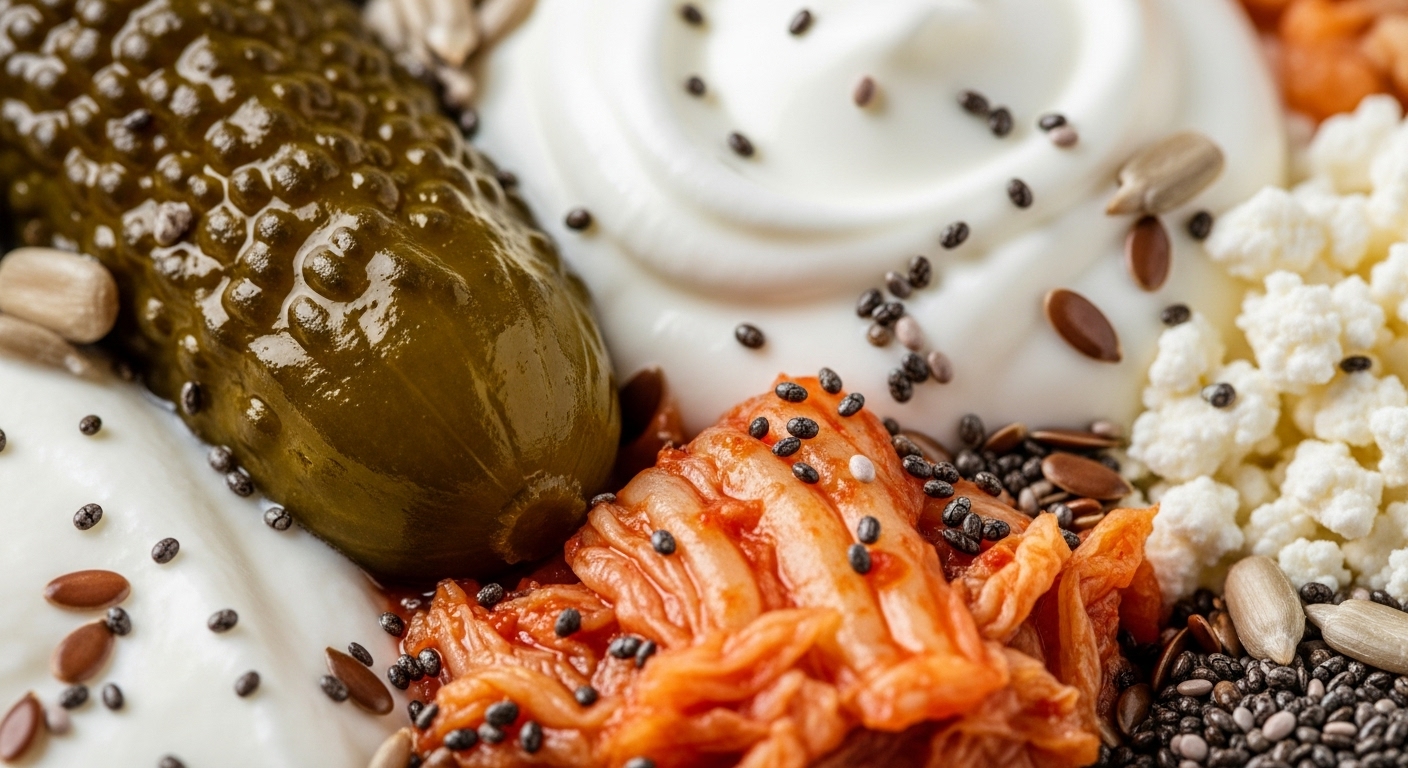
Fermented foods like yoghurt, kefir, and sauerkraut can also help restore microbial health during dietary changes. The goal is not just to remove irritants but to cultivate a stable, resilient gut environment that resists bloating and discomfort.
How to Trial a Gluten-Free Diet Safely for IBS

If you suspect gluten or wheat is contributing to your IBS symptoms, a structured trial can provide clarity. Random avoidance often muddies the picture; systematic testing yields better results.
-
Consult a GP or dietitian first to rule out coeliac disease and nutrient deficiencies.
-
Remove gluten-containing foods (wheat, barley, rye) for four to six weeks while maintaining a varied diet.
-
Keep a food and symptom diary, noting changes in bloating, pain, and bowel habits.
-
Reintroduce gluten gradually — for example, by adding wheat-based foods for three days — and observe whether symptoms return.
If symptoms clearly worsen with gluten reintroduction but not with FODMAP alternatives, you may have NCGS. If reintroduction causes no change, FODMAPs or other triggers are more likely.
Avoid unnecessary restriction. The objective is understanding your triggers, not eliminating every potential irritant.
Maintaining Nutrient Balance While Gluten-Free
Gluten-free living can sometimes lead to nutritional shortfalls if key food groups are replaced with refined starches. Many gluten-free processed foods are lower in fibre and lack fortification with essential vitamins and minerals.
Key nutrients to watch include:
-
B vitamins, especially folate and thiamine, are found in fortified cereals and whole grains.
-
Iron and zinc, important for energy and immune function.
-
Fibre, crucial for gut motility and microbiome health.
To maintain balance, prioritise natural, whole-food alternatives. Choose brown rice, quinoa, buckwheat, lentils, and gluten-free oats for complex carbohydrates. Load up on fruit, vegetables, nuts, and seeds for micronutrients and fibre.
A daily portion of fermented dairy or plant-based yoghurt can support healthy bacteria. Hydration and moderate caffeine intake help maintain bowel rhythm. The more colourful and varied your plate, the better your digestion will fare.
Lifestyle Habits That Support IBS Relief

IBS is not purely a dietary condition — lifestyle factors play an equally strong role in how the gut behaves. Small changes can make a noticeable difference.
-
Eat slowly and chew thoroughly to reduce swallowed air and improve digestion.
-
Manage stress, as the gut and brain communicate constantly via the vagus nerve. Relaxation techniques, mindfulness, or light yoga can reduce gut hypersensitivity.
-
Exercise regularly, since movement enhances gut motility and reduces bloating.
-
Sleep consistently, as poor sleep alters gut-brain signalling and increases pain perception.
-
Avoid long gaps between meals, which can destabilise the gut’s natural rhythm.
For many people, structuring meals and routines is as powerful as cutting out specific foods. IBS management works best when nutrition, lifestyle, and mindset align.
Research Overview: What Science Says About Gluten-Free Diets and IBS
Clinical research across the UK and Europe confirms that gluten-free diets help a portion of IBS patients, but not universally. The benefits appear strongest in those with documented sensitivity or high intake of wheat-based FODMAPs.
A 2020 meta-analysis found that around one in three IBS patients experienced measurable symptom relief on a gluten-free diet, but the improvement often disappeared when FODMAPs were controlled for.
This has led many experts to propose a hybrid approach: short-term gluten restriction combined with a low-FODMAP framework, followed by reintroduction and personalisation.
Emerging studies are exploring how individual microbiomes and genetic markers influence dietary response. In future, clinicians may be able to design truly personalised IBS diets rather than using broad exclusion rules.
Until then, guidance remains consistent: work with a registered dietitian, test rather than guess, and focus on food quality rather than simple removal.
Conclusion: Can a Gluten-Free Diet Help IBS or Bloating?

A gluten-free diet can help reduce IBS symptoms and bloating — but not because gluten is always the enemy. For many, the relief comes from reducing wheat-based FODMAPs and improving overall diet quality.
Some people genuinely react to gluten or wheat proteins, while others benefit simply from cutting out the highly processed foods that often accompany them. The key is to identify what works for your body, not to follow trends.
When approached carefully, a gluten-free plan can form part of a wider IBS management strategy that includes balanced nutrition, stress management, and gut-friendly habits.
Listen to your body, keep variety in your meals, and seek professional advice before making major changes. The goal isn’t a restrictive life — it’s comfortable digestion, steady energy, and a happier gut.
About the Author