Going gluten-free is often seen as a healthy choice, whether for medical necessity or personal preference. Yet many people who cut out gluten do not realise they are also cutting out one of their main sources of dietary fibre. Foods such as wheat, rye, and barley, which are excluded on a gluten-free diet, are naturally rich in fibre.
When these foods disappear from your plate, your fibre intake can fall dramatically. Dietitians warn that this shift can lead to digestive problems, constipation, and reduced gut health. Over time, low fibre intake may also affect cholesterol balance, blood sugar control, and long-term metabolic health.
Athletes sometimes wonder about the effect of a gluten-free diet on sports performance. Research suggests that unless gluten causes a specific medical problem, cutting it out does not enhance strength, endurance, or recovery. However, athletes with coeliac disease or sensitivity often perform better once their symptoms are managed through strict gluten avoidance.
Socially, some people also struggle with feeling awkward about eating gluten-free, especially in group meals or team settings. Over time, though, confidence grows as you learn how to explain your needs calmly and choose options that work for you without stress.
The good news is that it is entirely possible to maintain healthy fibre levels while avoiding gluten. With the right food choices, you can rebuild your fibre intake and support both digestion and overall well-being. This article explains how to get enough fibre on a gluten-free diet safely, naturally, and enjoyably.
Why Fibre Matters for Health

Fibre is a type of carbohydrate that the body cannot digest fully. Instead of being broken down for energy, it moves through the digestive system, supporting a wide range of essential processes.
There are two main types of fibre: soluble and insoluble.
-
Soluble fibre dissolves in water to form a gel-like substance. It helps control blood sugar levels and reduces cholesterol.
-
Insoluble fibre adds bulk to the stool and promotes regular bowel movements.
A healthy diet includes both forms. Fibre also feeds beneficial gut bacteria, forming the basis of a balanced microbiome. Studies from leading health authorities such as the British Dietetic Association and the World Health Organisation recommend 25 to 35 grams of fibre per day for adults.
However, research consistently shows that people on gluten-free diets fall short by as much as 30 to 50 per cent. This gap often occurs when individuals replace fibre-rich grains with refined gluten-free starches.
How Gluten-Free Diets Often Reduce Fibre
When you remove gluten-containing grains like wheat, barley, and rye, you lose some of the richest natural sources of fibre. Wholegrain bread, bran, and cereals are key contributors to fibre in a typical diet.
Many gluten-free products use low-fibre substitutes such as white rice flour, tapioca starch, and cornflour. These ingredients create the right texture but offer very little roughage or nutritional density. A typical gluten-free white loaf, for example, may contain less than half the fibre of a regular wholegrain bread.
Research from nutritional journals highlights that fibre is one of the most common deficiencies in gluten-free diets, even among people with coeliac disease who follow balanced eating plans. The consequences can include constipation, sluggish digestion, bloating, and reduced gut bacterial diversity.
Fortunately, fibre intake can be restored with mindful food selection. The next sections explore how to do this using naturally gluten-free ingredients.
High-Fibre Gluten-Free Grains and Pseudograins

Several gluten-free grains and seed-like plants, known as pseudograins, are naturally high in fibre. They also provide protein, minerals, and slow-release carbohydrates. Including these regularly can transform a low-fibre gluten-free diet into a nutrient-rich one.
1. Quinoa
A complete protein and a strong source of soluble fibre. Use quinoa as a base for salads, side dishes, or porridge. One cup of cooked quinoa provides about 5 grams of fibre.
2. Buckwheat
Despite its name, buckwheat is gluten-free and excellent for both fibre and magnesium. Buckwheat noodles or pancakes make easy substitutes for wheat versions.
3. Amaranth
Rich in fibre, iron, and calcium, amaranth can be cooked as a porridge or used to thicken soups.
4. Millet
A mild-tasting grain suitable for breakfast bowls or savoury pilafs. It contains both soluble and insoluble fibre.
5. Teff
A traditional Ethiopian grain used in injera bread. Teff is packed with fibre, iron, and resistant starch, which supports gut bacteria.
6. Certified Gluten-Free Oats
Oats are naturally gluten-free but can be contaminated during processing, so only certified gluten-free versions are safe for sensitive individuals. Oats contain beta-glucan, a soluble fibre known to support heart health and stable blood sugar.
Nutrition experts recommend using whole forms of these grains rather than refined flours. Whole grains preserve the bran and germ layers, which contain most of the fibre and nutrients.
Legumes and Pulses: The Fibre Powerhouses
Legumes are among the most concentrated natural sources of fibre. Beans, lentils, peas, and chickpeas are entirely gluten-free and exceptionally versatile. They also add protein, iron, and folate to your meals.
For example, half a cup of cooked lentils delivers around 7 to 8 grams of fibre. The same portion of black beans or chickpeas provides a similar amount. Incorporating legumes just a few times a week can dramatically boost your total fibre intake.
Practical ways to include them:
-
Add lentils or beans to soups and stews.
-
Use chickpeas in salads or roast them for crunchy snacks.
-
Make hummus a regular dip or sandwich spread.
-
Mix pureed beans into gluten-free baking recipes for extra moisture and fibre.
If you are new to legumes, introduce them gradually to avoid digestive discomfort. Rinse canned varieties well, and drink plenty of water to help your body adjust. Over time, the gut adapts, and any bloating usually subsides.
Seeds, Nuts, and Plant Additions

Seeds and nuts provide fibre, healthy fats, and micronutrients in compact form. They also make it easy to boost your fibre intake without major dietary changes.
Chia seeds and flaxseed are especially effective. A tablespoon of chia seeds contains around 5 grams of fibre, while flaxseed provides about 3 grams. Both support regular bowel movements and deliver omega-3 fatty acids that benefit heart and brain health.
Pumpkin seeds, almonds, and walnuts contribute additional fibre and healthy fats.
Ways to use them:
-
Sprinkle seeds over yoghurt or porridge.
-
Blend into smoothies for a thicker texture.
-
Add crushed nuts to salads or gluten-free granola.
-
Include flaxseed or chia seed in gluten-free baking for moisture and texture.
A small handful of mixed nuts and seeds daily can add 5 to 10 grams of fibre to your diet without much effort.
Fibre from Fruits and Vegetables
Fruits and vegetables are essential to any high-fibre plan. They supply both soluble and insoluble fibre, along with vitamins, minerals, and antioxidants.
Top high-fibre fruits include:
-
Berries (raspberries, blackberries, blueberries)
-
Apples and pears with their skins intact
-
Bananas, which provide resistant starch when slightly underripe
High-fibre vegetables include:
-
Broccoli, carrots, and Brussels sprouts
-
Leafy greens such as kale and spinach
-
Sweet potatoes, particularly with the skin on
Aim for at least five portions of fruits and vegetables each day, ideally more. Leaving skins on when possible increases fibre content further. Steaming or roasting vegetables helps preserve fibre better than boiling.
Variety matters because different plants supply different types of fibre that nourish diverse gut bacteria.
Smart Swaps and Gluten-Free Product Choices
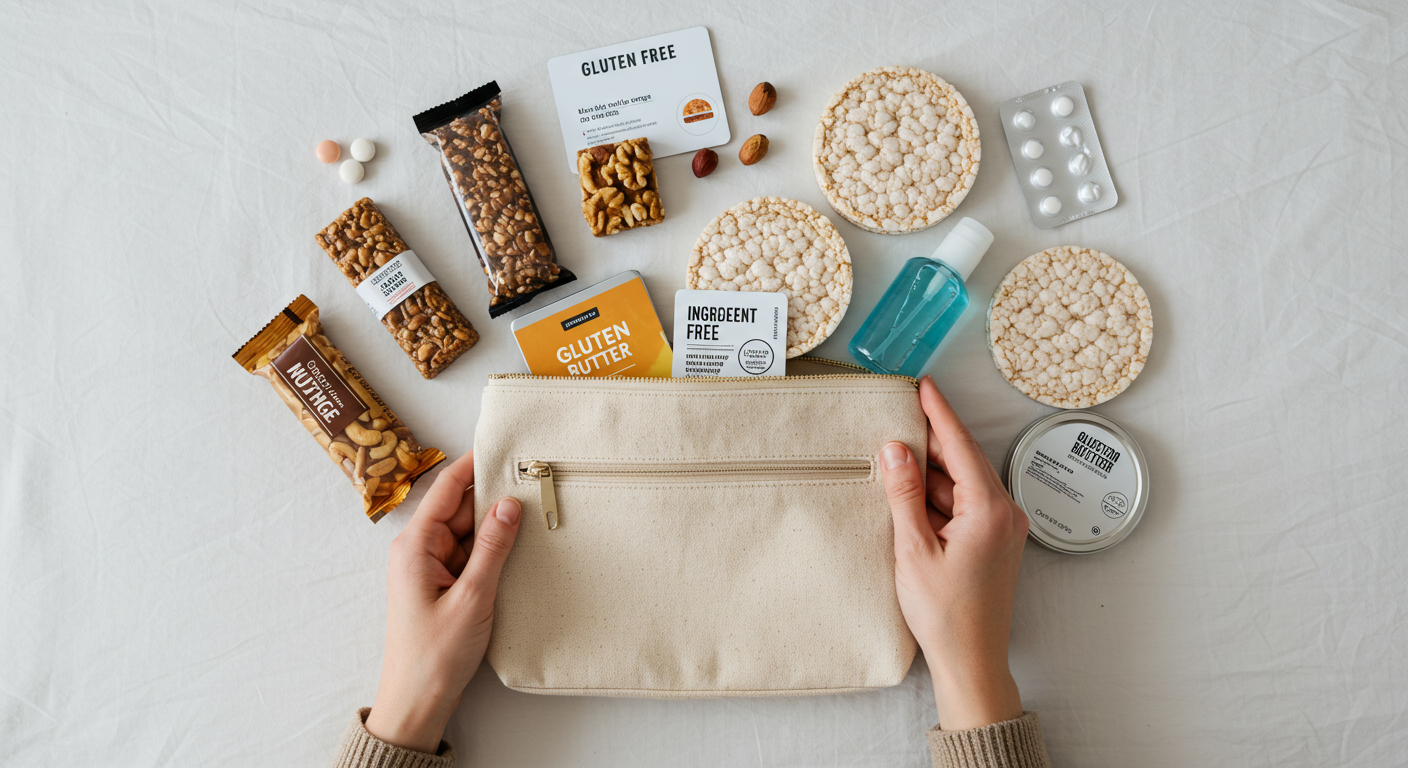
Not all gluten-free foods are equal. Many processed gluten-free products are made from refined starches that contribute little fibre. Reading nutrition labels is essential to identify better options.
When comparing products, check the fibre content per 100 grams. Foods with 3 grams of fibre or more per serving qualify as high-fibre.
Smart swaps include:
-
Choose brown rice or quinoa instead of white rice.
-
Pick gluten-free pasta made from lentils, chickpeas, or brown rice rather than corn or white rice.
-
Opt for gluten-free breads labelled as “wholegrain” or “seeded”.
-
Replace biscuits and cakes with homemade versions containing oats, nuts, or fruit purée.
These small choices can double or even triple your fibre intake over time.
How to Gradually Increase Fibre Without Discomfort
A sudden jump in fibre intake can cause bloating, gas, or stomach cramps. The digestive system needs time to adjust to higher volumes of undigested material.
Dietitians recommend increasing fibre gradually, adding 3 to 5 grams per week until reaching your goal. Drink plenty of water, as fibre absorbs fluid to move smoothly through the intestines.
A practical daily checklist might include:
-
One serving of gluten-free wholegrain at breakfast (for example, oats or quinoa).
-
One serving of legumes at lunch or dinner.
-
At least two servings of vegetables and one of fruit.
-
A snack of nuts or seeds.
This balanced approach helps build fibre tolerance naturally and avoids discomfort.
Fibre Supplements and When to Use Them

In some cases, fibre supplements can support a gluten-free diet. Products such as psyllium husk, acacia fibre, or inulin are gluten-free and effective at improving regularity.
However, supplements should never replace whole foods. Whole foods contain additional nutrients and plant compounds that benefit overall health. Supplements are best used when dietary intake is insufficient or during travel when options are limited.
Those with irritable bowel syndrome (IBS) or other sensitivities should consult a healthcare professional before adding fibre supplements. Some forms, such as inulin, can worsen bloating in sensitive individuals.
Start with small doses and increase gradually under professional supervision.
Balancing Fibre with Overall Nutrition
Fibre works best as part of a balanced diet. Protein, healthy fats, and hydration all play roles in keeping digestion smooth and energy stable.
Hydration is especially important. Fibre absorbs water, and without sufficient fluid intake, constipation can worsen rather than improve. Aim for 1.5 to 2 litres of water daily, more if you are active.
Combining fibre-rich foods with protein and healthy fats also slows digestion, supporting steady energy and blood sugar levels.
To keep variety high, plan weekly meal rotations that include different grains, vegetables, and legumes. This not only prevents boredom but also nourishes a diverse gut microbiome, which supports immunity and mental health.
Conclusion: How to Get Enough Fibre on A Gluten-Free Diet

A gluten-free diet does not have to mean a low-fibre diet. While removing wheat, rye, and barley can reduce natural fibre intake, many other foods can easily fill the gap.
Whole gluten-free grains such as quinoa and buckwheat, legumes like lentils and chickpeas, nuts, seeds, and a wide range of fruits and vegetables can provide everything your body needs. Gradual increases, proper hydration, and mindful product choices make the process simple and sustainable.
Dietitians emphasise that fibre is one of the most important nutrients for long-term digestive and metabolic health. With thoughtful planning, you can enjoy all the benefits of gluten-free living while keeping your gut, energy, and overall well-being in excellent condition.
Key takeaway: gluten-free and high-fibre eating are completely compatible. Focus on variety, whole foods, and balance for a healthy and satisfying diet.
About the Author