For many families, gluten-free living starts with necessity rather than choice. Yet one of the biggest everyday challenges is finding snacks that children genuinely enjoy. Too often, gluten-free snacks are bland, repetitive, or overly processed. Parents end up juggling safety, taste, and variety — while trying to keep their kids happy and healthy.
The good news is that gluten-free snacks can be fun, colourful, and packed with flavour. With the right mix of store-bought options and quick homemade recipes, families can keep snack time simple, safe, and delicious. This guide brings together ideas, brand suggestions, and nutrition tips designed for UK parents who want their gluten-free kids to eat well without fuss.
Understanding What “Kid-Friendly” Really Means

Before diving into recipes or brands, it helps to define what makes a snack genuinely child-friendly. Most kids do not care whether something is gluten-free — they care about how it looks, tastes, and feels.
Flavour and texture matter most: children like crunch, chew, and sweetness. A gluten-free diet does not have to mean giving up crispy biscuits or soft muffins. It simply means using safe ingredients and reliable brands.
Familiarity builds confidence: swapping in gluten-free versions of foods your child already recognises reduces resistance. A gluten-free oat biscuit or cheesy cracker feels like a normal part of lunch rather than a medical substitution.
Colour and variety encourage excitement: small changes in presentation can make a big difference. Bright fruit skewers, fun-shaped rice cakes, or yoghurt dips turn simple snacks into experiences.
Ultimately, the goal is to make gluten-free eating feel normal, not restrictive.
Balancing Nutrition and Appeal
Gluten-free snacks should not only be safe and tasty but also nourishing. Many packaged gluten-free products rely on refined starches or added sugar to improve taste and texture. While these are fine occasionally, balance is key.
Build balanced snacks using three elements:
-
Fibre: supports digestion and helps children feel full.
-
Protein: stabilises energy and supports growth.
-
Colour: signals a range of nutrients from fruits and vegetables.
Example balanced snack combinations:
-
Apple slices with peanut butter.
-
Cheese cubes with gluten-free oatcakes.
-
Yoghurt with berries and chia seeds.
-
Rice cakes topped with hummus and cucumber.
Keep the focus on whole foods while still allowing fun packaged treats occasionally.
Naturally Gluten-Free Snacks That Require No Labels

Some of the easiest and safest gluten-free snacks are those that never contained gluten in the first place. These are naturally free from wheat, barley, and rye, meaning you can skip the label reading and enjoy them straight away.
Quick, naturally gluten-free ideas:
-
Fresh fruit such as apples, bananas, grapes, or berries.
-
Vegetable sticks like carrots, cucumber, or pepper strips.
-
Plain popcorn made with oil or butter (avoid pre-flavoured types).
-
Hard-boiled eggs or egg muffins.
-
Cheese slices, Babybel portions, or mozzarella sticks.
-
Plain rice cakes or corn cakes with a spread of nut butter.
-
Yoghurt or Greek yoghurt pots with added fruit.
These snacks require little to no preparation and appeal to children because of their texture, crunch, and sweetness.
Store-Bought UK Gluten-Free Snacks That Kids Love
Parents often rely on packaged snacks for school lunches or on-the-go days. Fortunately, the UK market now offers a strong range of child-friendly gluten-free products.
Top gluten-free brands widely available in UK supermarkets:
-
Tesco Free From: biscuits, oat bars, and snack multipacks.
-
Nairn’s: oatcakes and gluten-free biscuits that are perfect for lunchboxes.
-
Schär: a trusted European brand offering wafers, crackers, and chocolate treats.
-
M&S Made Without: sandwiches, cakes, and savoury bites that taste like their regular versions.
-
Genius: bread, rolls, pancakes, and convenient bakery-style snacks.
-
Alpro and Nomadic: gluten-free yoghurt and protein pots.
Always look for the Crossed Grain symbol, which guarantees a product meets UK gluten-free standards. Avoid items labelled only “wheat-free,” as they may still contain gluten from other grains.
Packaged snacks are especially useful for school and travel, but balance them with fresh options to keep nutrition varied.
Lunchbox-Friendly Gluten-Free Snack Ideas for School

School snacks must be easy to pack, non-messy, and safe from contamination. Creating gluten-free lunchboxes that look appealing and match what classmates are eating helps children feel included.
Practical ideas for everyday school snacks:
-
Gluten-free wraps with chicken, cheese, or hummus.
-
Vegetable sticks with small pots of dip.
-
Homemade oat or nut bars (check school allergy policies).
-
Fruit portions or dried fruit packs.
-
Gluten-free crackers with cream cheese.
-
Mini flapjacks or muffins made with certified oats.
-
Small yoghurt pots or rice pudding cups.
Backup snack box:
Keep a small sealed container at school filled with gluten-free snacks for surprise celebrations or shared treats. Include individually wrapped biscuits, popcorn bags, or safe cereal bars. Teachers can use these when birthday parties or food-based lessons happen unexpectedly.
Fun Homemade Gluten-Free Snacks Kids Actually Eat
Cooking at home gives parents full control over ingredients and cross-contamination. It also offers an excellent opportunity to involve children in the kitchen. Kids who help prepare food are more likely to eat it.
Simple homemade snacks:
-
Banana oat cookies: mashed bananas, gluten-free oats, and chocolate chips baked for 15 minutes.
-
Mini muffins: made with gluten-free flour, eggs, mashed fruit, and a touch of honey.
-
Trail mix: combine gluten-free pretzels, popcorn, raisins, and seeds.
-
Energy balls: blend dates, oats, and cocoa powder, then roll into small bite-sized shapes.
-
Homemade hummus and veggie sticks: chickpeas, olive oil, lemon juice, and garlic blended into a dip.
Involve kids in fun tasks: stirring, shaping cookies, or decorating muffins with fruit. Positive experiences build confidence and curiosity about food.
After-School and Sports Snack Options

Active children often need refuelling between school and activities. Gluten-free snacks for sports should combine carbohydrates for energy with protein for recovery.
High-energy options:
-
Smoothies made with yoghurt, fruit, and oats.
-
Peanut butter rice cakes.
-
Cheese and gluten-free crackers.
-
Homemade flapjacks with oats and seeds.
-
Fruit with a handful of nuts or trail mix.
-
Gluten-free toasties filled with cheese or tuna.
Hydration tip: Pair snacks with water or milk rather than sugary drinks. Energy drinks are rarely needed for children and often contain additives that upset digestion.
Parents can also freeze portions of homemade bars or muffins for quick post-activity refuelling.
Managing Sugar and Additives in Gluten-Free Products
A common pitfall in gluten-free snacking is assuming that “gluten-free” automatically means healthy. Many packaged products use extra sugar, salt, or fats to replace the texture lost when gluten is removed.
Smart label reading:
-
Check sugar content and aim for under 10g per 100g where possible.
-
Choose snacks with short ingredient lists and real food sources.
-
Avoid artificial colours and flavours.
-
Compare brands; gluten-free biscuits often vary widely in quality.
Better choices:
Select items made from whole ingredients such as oats, nuts, and fruit. Keep “treat” snacks occasional and focus on variety.
Snack Prep and Storage Tips for Busy UK Families
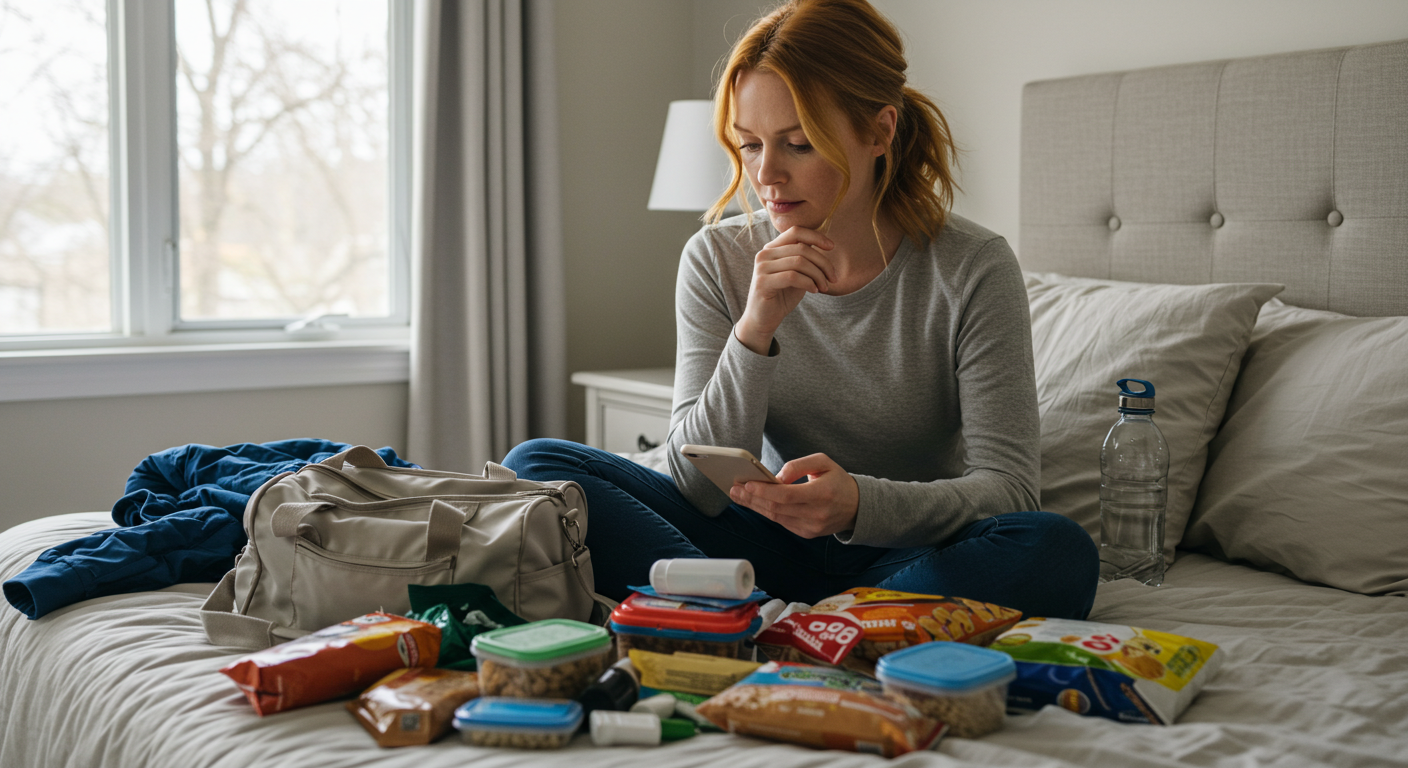
Consistency makes gluten-free life easier. Planning ahead ensures safe food is always available, even on hectic days.
Weekly routine:
-
Set aside 30–60 minutes each weekend for meal prep.
-
Chop fruit and vegetables, bake muffins, or portion popcorn into bags.
-
Store snacks in the fridge for fresh options and airtight tubs for dry goods.
Labelling system:
Label each snack “gluten-free” if your household has both gluten and non-gluten foods. Colour-coded containers help children grab the right option independently.
Travel readiness:
Keep a small bag of sealed gluten-free snacks in your car or backpack for emergencies. A little preparation prevents stress during outings or long drives.
Encouraging Picky Eaters to Try Gluten-Free Snacks
Picky eating can make dietary restrictions even more challenging, but patience and creativity make a difference.
Colour and texture variety:
Children respond to visually appealing snacks. Mix colours and shapes — fruit skewers, colourful dips, and fun containers keep things interesting.
Interactive snacks:
Let kids dip apple slices into yoghurt, build mini rice cake sandwiches, or assemble snack boxes themselves.
Gradual introduction:
Introduce one new gluten-free snack at a time alongside familiar favourites. Positive exposure builds trust and reduces fussiness.
Avoid pressure:
Encourage curiosity instead of forcing bites. Celebrate when your child tries something new, even if they do not finish it.
Over time, children learn that gluten-free snacks are just as fun and satisfying as any other food.
Creative Snack Combinations for Home or School
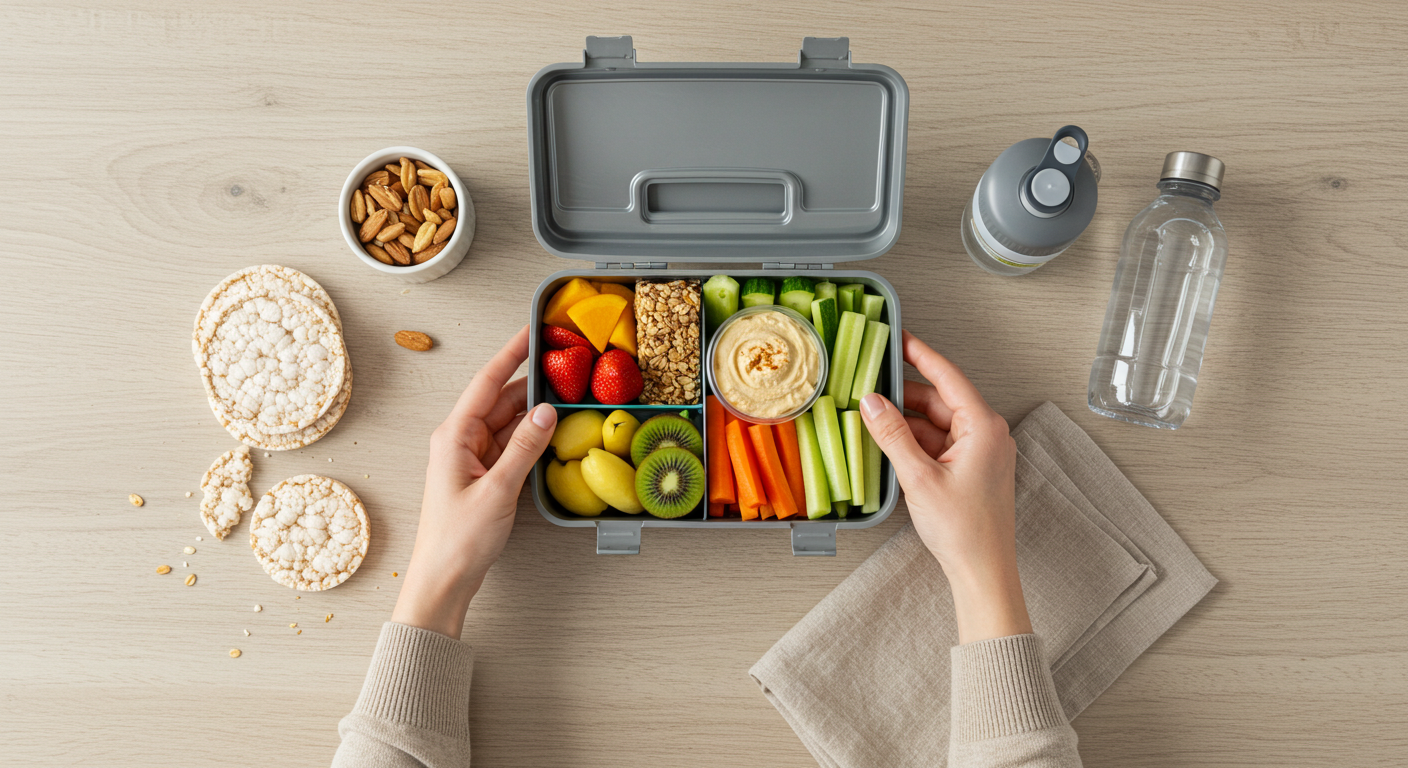
Here are a few easy combinations that balance nutrition and fun:
1. Mini lunchbox dippers:
Hummus, carrot sticks, cucumber slices, and gluten-free breadsticks.
2. Sweet-and-salty trail mix:
Popcorn, pumpkin seeds, dried cranberries, and a few chocolate chips.
3. Fruity yoghurt pots:
Greek yoghurt with chopped fruit and gluten-free granola.
4. Savoury snack box:
Cheese cubes, cherry tomatoes, and oatcakes.
5. DIY nacho cups:
Corn chips, guacamole, and grated cheese in small containers.
6. Energy bites:
Dates, gluten-free oats, and cocoa blended into balls.
7. Simple fruit skewers:
Banana, grapes, strawberries, and melon pieces on sticks.
Kids enjoy hands-on snacks that engage their senses and creativity.
Gluten-Free Snacks for Birthdays and Celebrations
School parties and birthdays can be tricky for gluten-free children. Having familiar, tasty alternatives helps them feel included.
Party-safe ideas:
-
Gluten-free cupcakes or fairy cakes using certified flour blends.
-
Popcorn cups or mini fruit platters.
-
Chocolate-dipped strawberries.
-
Jelly pots or mousse cups.
-
Gluten-free biscuits from trusted brands such as Schär or M&S Made Without.
Tip for parents:
Bake a small batch of gluten-free cupcakes and freeze them individually. Send one with your child when parties or school celebrations are planned.
Inclusion is about preparation and positivity, not perfection.
Budget-Friendly Gluten-Free Snack Tips
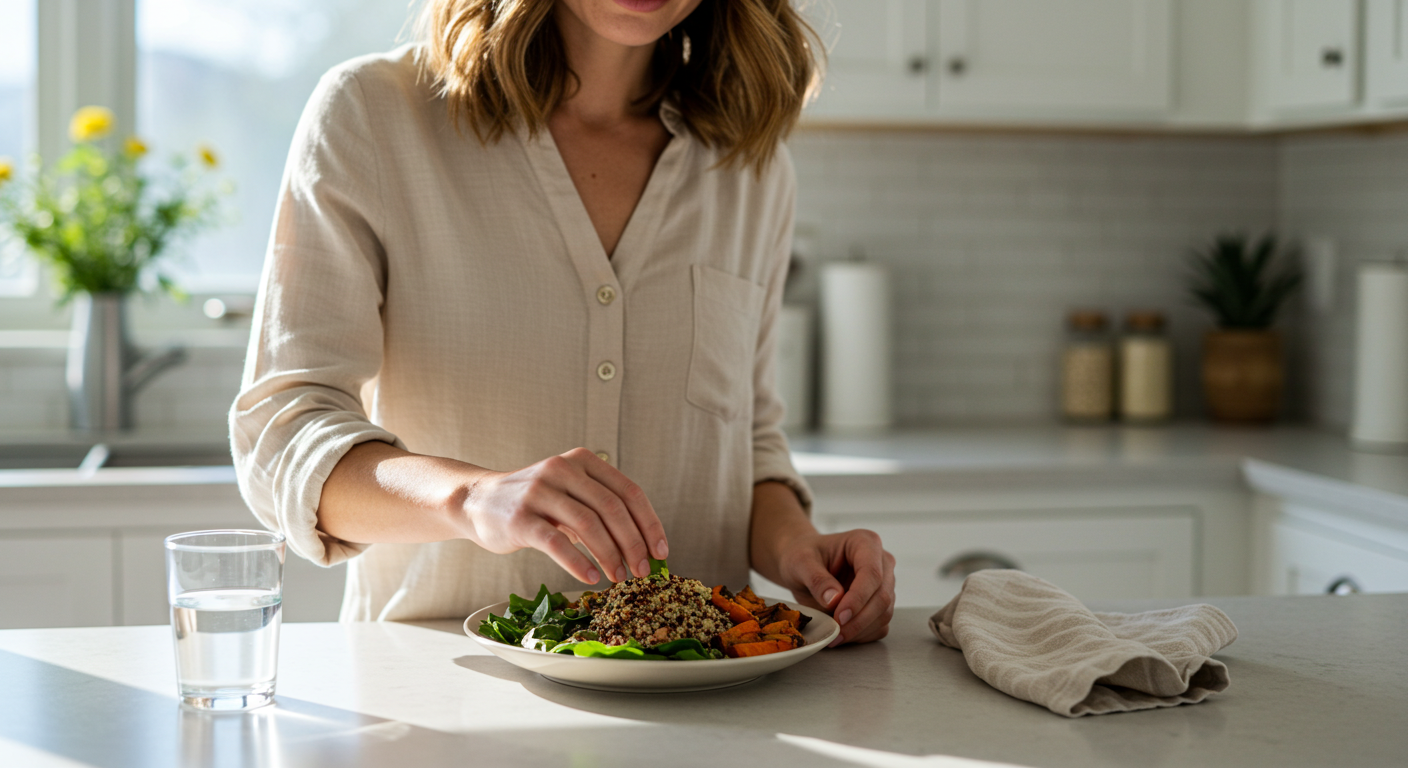
Gluten-free living can feel expensive, but it does not have to be.
Money-saving ideas:
-
Buy whole ingredients like rice, lentils, and oats in bulk.
-
Prepare snacks from scratch instead of buying premium packaged brands.
-
Choose supermarket “Free From” ranges, which are often cheaper than niche brands.
-
Use naturally gluten-free foods — fruit, veg, yoghurt, and eggs — as staples.
Planning weekly reduces waste and keeps your grocery bill predictable.
Conclusion: Kid-Friendly Gluten-Free Snacks
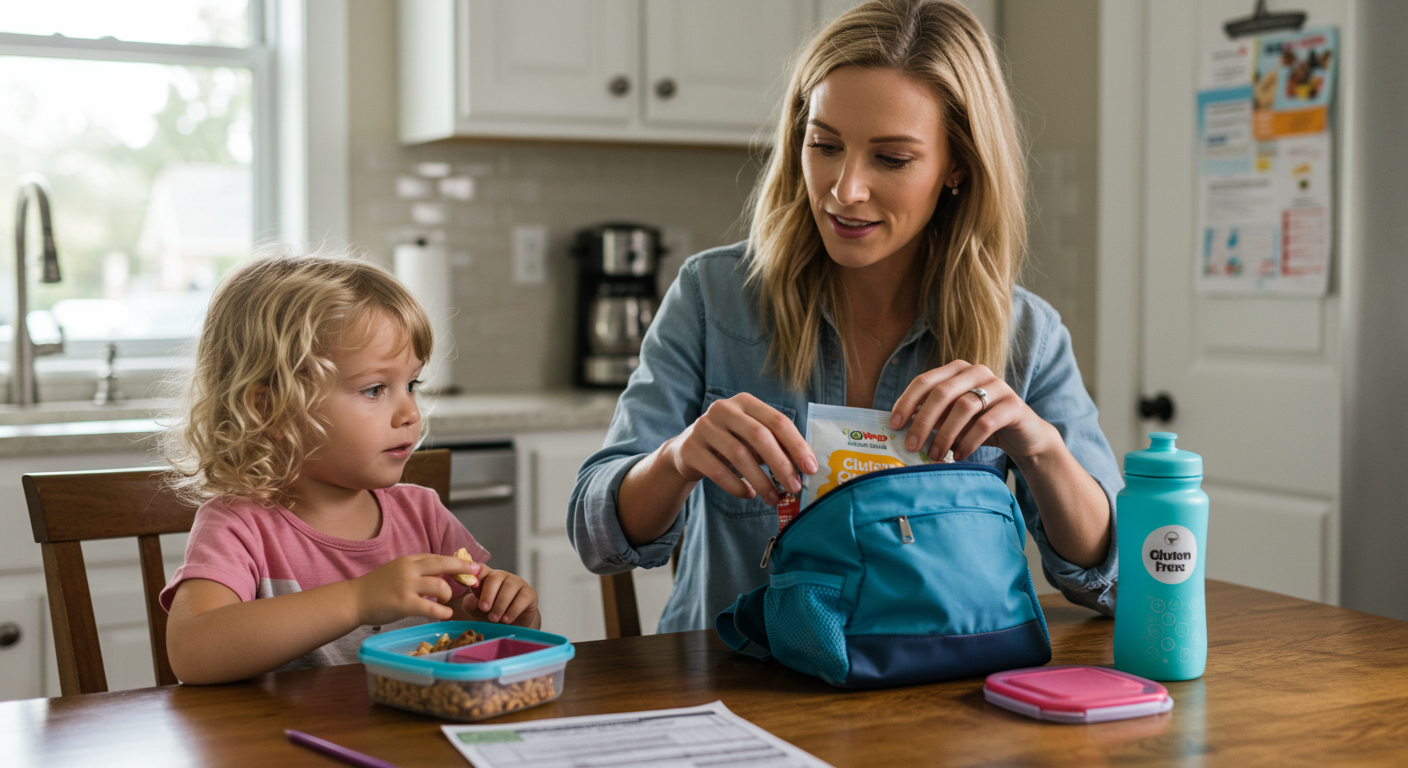
Gluten-free snacking for children should be joyful, not stressful. The goal is to combine safety with fun and nutrition, ensuring that every child feels included and excited about food.
With a bit of planning and creativity, parents can fill lunchboxes, parties, and after-school bags with snacks that children genuinely love. From naturally gluten-free options to clever store-bought finds, there are endless ways to make snack time both healthy and happy.
Remember, gluten-free is not a limitation — it is simply a different way of eating well. When food looks inviting, tastes great, and feels normal, kids will eat it eagerly.
About the Author