Dating is rarely simple. Between the nerves, small talk, and first impressions, the experience already carries enough tension without worrying about what you can or cannot eat. For people who follow a gluten-free diet, the challenge multiplies. Food is central to most social activities, so explaining your dietary needs can feel awkward or even embarrassing.
Gluten-free eating has grown common, yet misunderstandings remain. Some people assume it is a fad or a picky habit, while others are overly cautious and make the situation uncomfortable. Nutritionists and psychologists alike agree that clear communication, preparation, and calm confidence are the best ways to keep the focus where it belongs — on connection, not dietary logistics.
This guide explores practical strategies on how to date while on a gluten-free diet. Whether you follow the diet for medical or lifestyle reasons, you can enjoy dating without anxiety or self-consciousness.
Understanding Your Gluten-Free Needs

Before you can explain your diet to someone else, you must first understand why you follow it. For people with coeliac disease, eating gluten triggers an autoimmune response that damages the small intestine and can lead to severe long-term health problems. Even trace amounts can cause harm, so strict avoidance is essential.
Others may live with non-coeliac gluten sensitivity, which produces discomfort, bloating, and fatigue without the same intestinal damage. Then there are people who simply feel better or more energised eating less gluten.
Whatever the reason, being clear about your motivation helps you communicate with confidence. If your diet is medically necessary, you must take steps to prevent cross-contamination. If it is a lifestyle choice, you can explain it as something that supports your well-being. In both cases, understanding your own boundaries will help you present them calmly to potential partners.
Medical bodies such as Coeliac UK and the NHS advise people with coeliac disease never to take risks when eating out. Knowing this reinforces that your caution is not about fussiness, but about protecting your health.
Choosing Date Locations That Work for You
A little planning goes a long way. When possible, suggest restaurants or cafés that you already know are gluten-free friendly. Use review platforms or gluten-free dining apps to check menus in advance, or simply phone ahead and ask if they can cater safely. Most venues are familiar with the request and appreciate notice.
Registered dietitians recommend choosing establishments that have clear allergen protocols, such as separate preparation areas and staff training. Avoid buffet settings or places where bread and pasta dominate the menu unless you are confident about their handling procedures.
If you are planning a first date and do not want to focus entirely on food, suggest an activity such as a walk, a coffee meet-up, or a visit to a market or art exhibition. These options reduce the pressure of eating immediately and help you get to know each other in a more relaxed environment.
The key is to treat planning as part of the date’s success, not as a restriction. Anticipating your needs creates freedom once you are there.
Communicating Dietary Needs Without Making It Awkward

Talking about dietary needs can feel like revealing a secret, but it is far more natural than most people think. The best time to bring it up is before the date if food will be involved. A short, friendly message such as “By the way, I eat gluten-free, so maybe we could pick somewhere that offers options for that” is enough.
During the date itself, keep your tone light and factual. You do not have to explain medical details unless you wish to. Relationship psychologists highlight that honesty delivered with ease builds trust quickly. Most people appreciate clarity, especially if it helps them plan something that works for both of you.
If the other person asks questions, answer briefly and positively. For example, “It is just something I need to follow for health reasons, but there are lots of places that work for me.” Keeping the tone confident and casual prevents the topic from dominating the conversation.
Handling Reactions and Misunderstandings
Not everyone reacts gracefully when they hear “gluten-free.” Some may tease or make jokes, while others may go overboard trying to accommodate you. Either extreme can feel uncomfortable. The best response is composure.
If someone downplays your diet or makes a joke, you can respond with humour or gentle correction. “I promise I am not part of a secret bread-hating club” can break the tension and show that you are not defensive. If the misunderstanding continues, a firm but calm explanation, such as “It is something I have to follow for health reasons”, ends the conversation politely.
Nutrition and relationship experts agree that avoiding defensiveness keeps the atmosphere pleasant and mature. People who truly respect you will adapt without drama.
On the other side, if someone overcompensates or acts nervous about feeding you, reassure them that it is manageable. Offer to suggest restaurants or cook together to make it feel collaborative rather than stressful.
Safe Dining Tips for Romantic Settings

Romantic dinners can easily turn into stressful experiences for those on restrictive diets, but they do not have to. Confidence comes from knowledge.
When you sit down at a restaurant, read the menu carefully and do not hesitate to ask questions. Phrases like
“Could you please confirm if this dish is prepared separately from gluten-containing ingredients?”
these are respectful and effective. Choose meals that are naturally gluten-free, such as grilled meat or fish with vegetables, risotto, or salads without croutons.
Avoid sharing plates unless you know the food is entirely safe. Cross-contamination often occurs through shared utensils, sauces, or cutting boards. When in doubt, order individual dishes.
When choosing drinks or desserts, check ingredients in advance. Some cocktails and desserts contain barley malt or wheat-based flavourings. Sticking to wine, cider, or gluten-free beer simplifies decisions.
Registered dietitians often note that diners who communicate calmly and respectfully receive better service and safer meals.
Cooking Dates and Home Meals
Cooking together is one of the most intimate and enjoyable date ideas, and it can be fully gluten-free without fuss. Use it as a chance to teach your partner about safe preparation while having fun in the kitchen.
Start by explaining simple precautions such as washing hands, cleaning surfaces, using separate chopping boards, and avoiding shared toasters or sauces that may contain gluten. Present these steps as teamwork rather than instruction.
Choose dishes that are naturally gluten-free to avoid the sense of compromise. Options like roasted vegetables, grilled chicken, rice dishes, risotto, or chocolate mousse allow both people to enjoy the food without substitution anxiety.
Health experts note that shared meal preparation fosters connection and understanding. It is also a subtle way to show that gluten-free cooking can be creative, flavourful, and romantic.
Dating Apps and Gluten-Free Identity

If you use dating apps, you might wonder whether to mention your gluten-free lifestyle. There is no right or wrong answer, but honesty tends to help. Mentioning it casually in your profile or during early chats can prevent surprises later, especially if your condition is medical.
For example, you could write,
“Love exploring new restaurants — as long as they have gluten-free options.”
It sounds friendly and open rather than defensive. Communication specialists note that framing your diet positively makes it part of who you are, not a limitation.
If you prefer to discuss it after matching, bring it up naturally while planning the first meeting. This approach shows that you are practical and confident.
Long-Term Relationships and Gluten-Free Living
As dating evolves into a relationship, shared meals and kitchens become part of daily life. Mixed-diet households are common, and success depends on clear boundaries and mutual respect.
Start by agreeing on rules for cooking and storage. Many couples keep separate toasters, butter dishes, and chopping boards. Others establish “gluten zones” and “gluten-free zones” in the kitchen to prevent accidents.
Respect goes both ways. If your partner eats gluten, avoid criticising their choices, but remind them kindly of cross-contamination risks. Similarly, partners who do not need to avoid gluten can show support by double-checking ingredients and sharing naturally gluten-free meals.
Relationship counsellors often highlight that compromise and routine reduce conflict. Once systems are in place, food differences fade into the background.
Social Pressure and Confidence
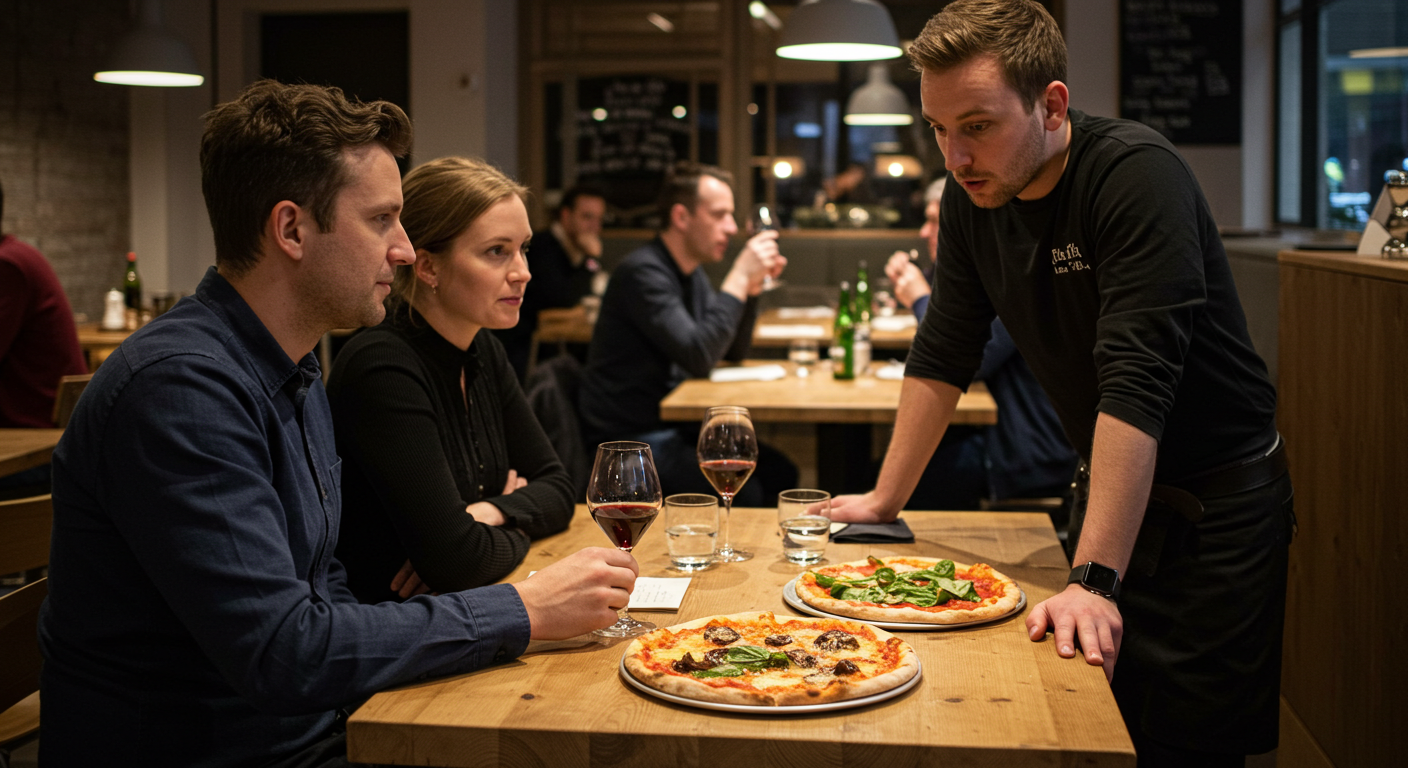
Even outside of dating, people on gluten-free diets encounter social judgment. Comments like
“You’re not one of those trend followers, are you?”
can sting, especially when your diet is medical.
The key is confidence built through self-understanding. When you know why you eat gluten-free and what it does for yourwell-beingg external opinions lose power. Mental health research shows that self-acceptance protects against social anxiety.
If someone mocks or questions you in front of others, maintain composure. A simple, calm response such as “It helps me feel well, so I stick to it” usually ends the conversation. You owe no further explanation.
Surround yourself with friends and communities who understand your needs. Online gluten-free groups and local meet-ups provide support, restaurant recommendations, and reassurance that you are not alone.
The more you practise navigating social and romantic situations, the more natural it feels. Confidence grows with repetition, not perfection.
Conclusion: How to Date While on A Gluten-Free Diet
Dating on a gluten-free diet does not have to be stressful. It is about communication, preparation, and confidence, not restriction. The goal is to enjoy shared experiences while respecting your own health.
By choosing venues wisely, explaining your needs clearly, and keeping your tone positive, you can prevent awkwardness before it starts. Cooking together, trying new places, and sharing honest conversations all strengthen bonds.
Relationship psychologists remind us that authenticity is attractive. When you are honest about your needs and handle them with calm assurance, the right person will see confidence rather than complication.
In the end, successful dating is not about the menu but about connection. Eating gluten-free is simply one of many personal details that make you unique. The people who matter will value you for the same reason you value yourself — because you take care of your wellbeing and show up with openness, kindness, and respect.
About the Author