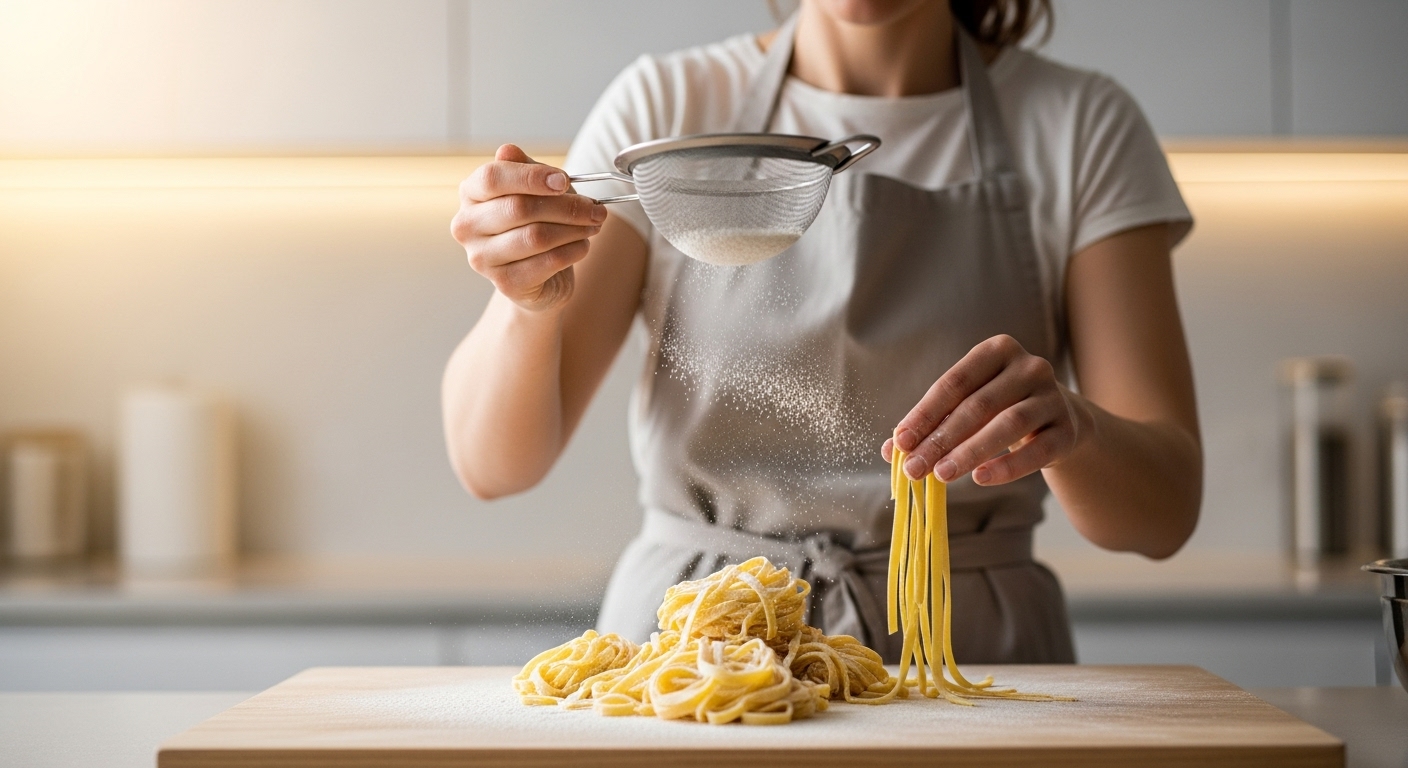
Homemade gluten-free pasta is far more than a dietary workaround — it’s an art form. When done right, it produces silky, tender noodles with a pleasant bite and subtle flavour, easily rivalling traditional wheat-based versions. Yet, for many home cooks, gluten-free pasta has an unfair reputation for being sticky, fragile, or bland.
In truth, the magic lies in understanding structure. Once you learn which flours, binders, and techniques mimic gluten’s elasticity, you can craft beautiful pasta that holds together in boiling water and pairs perfectly with any sauce. Gluten-free pasta isn’t about compromise — it’s about precision, creativity, and balance.
Mastering How to Make Gluten-Free Pasta from Scratch
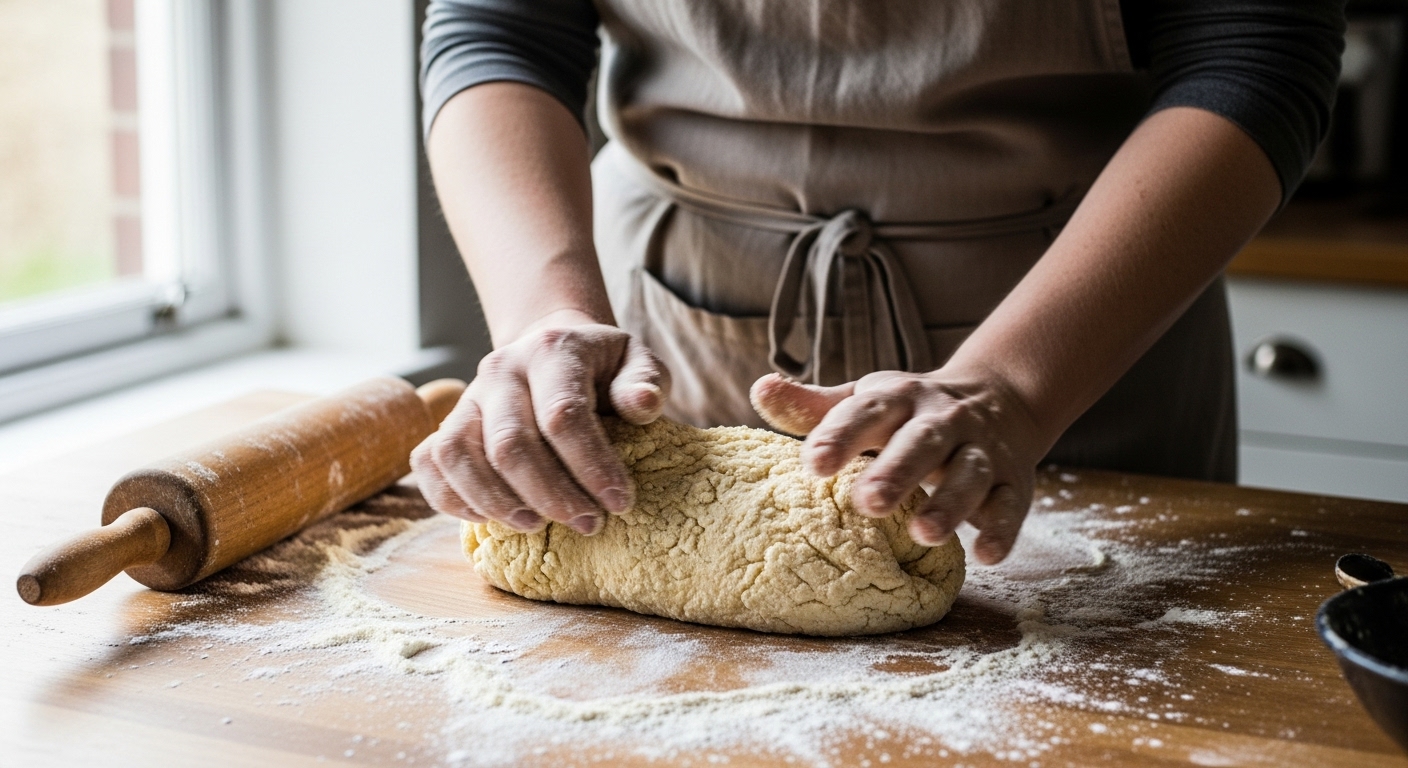
Gluten acts as the scaffolding of traditional pasta, trapping moisture and creating that chewy, elastic texture. In gluten-free cooking, we must rebuild this structure using other ingredients and techniques.
Without gluten, flours lack stretch, which means dough can crack, crumble, or stick during rolling. This is where binders come in — they mimic gluten’s holding power. The most common are xanthan gum and psyllium husk. Xanthan gum provides elasticity and flexibility, while psyllium husk adds moisture and resilience, especially useful for egg-free doughs.
The trick is moderation. Too little binder and the dough falls apart; too much, and it becomes rubbery. A good general rule: about 1 teaspoon of binder per 100 grams of gluten-free flour blend. From there, you can adjust depending on your ingredients and environment.
Choosing the Right Gluten-Free Flours
No single gluten-free flour can replicate wheat flour on its own. Each behaves differently — rice flour gives lightness, corn brings colour and flavour, chickpea adds protein, and sorghum lends mild sweetness and elasticity.
A well-balanced gluten-free pasta blend might look like this:
-
40% rice flour (white or brown for neutrality and smoothness)
-
30% corn or maize flour (for colour and flavour)
-
20% chickpea or lentil flour (adds protein and flexibility)
-
10% tapioca or potato starch (for stretch and binding)
This mix delivers strength and pliability without graininess. You can also incorporate teff or buckwheat flour for an earthy, rustic note — excellent for hearty sauces or winter pasta dishes.
Avoid relying on single flours like pure rice or corn; they produce fragile, chalky doughs that tear easily. Blends give gluten-free pasta its backbone.
Three Reliable Gluten-Free Pasta Recipes
1. Classic Egg-Based Gluten-Free Pasta
Ingredients:
-
200 g gluten-free flour blend (rice, corn, chickpea, tapioca)
-
2 large eggs
-
2 tsp olive oil
-
1 tsp xanthan gum
-
Pinch of salt
Method:
-
Whisk flour, salt, and xanthan gum in a bowl.
-
Create a well; add eggs and oil.
-
Mix gradually, forming a soft dough.
-
Knead 2–3 minutes until smooth; rest for 30 minutes.
-
Roll thin, cut into desired shape, and cook for 2–3 minutes.
Best for: Tagliatelle or ravioli.
2. Vegan Gluten-Free Pasta with Psyllium Husk
Ingredients:
-
200 g gluten-free flour blend (brown rice, sorghum, tapioca)
-
2 tbsp ground flaxseed
-
6 tbsp warm water (to form flax gel)
-
1 tsp psyllium husk powder
-
1 tbsp olive oil
-
Pinch of salt
Method:
-
Mix flaxseed and water; let sit for 10 minutes until gelled.
-
Combine dry ingredients in a bowl.
-
Add flax gel and oil; mix into a dough.
-
Knead gently, rest for 45 minutes.
-
Roll thickly for lasagne or cut into short shapes.
Best for: Lasagne, pappardelle, or hearty casseroles.
3. High-Protein Chickpea Pasta
Ingredients:
-
150 g chickpea flour
-
50 g tapioca starch
-
1 egg + 1 yolk
-
1 tsp olive oil
-
½ tsp salt
Method:
-
Combine chickpea flour, starch, and salt.
-
Add eggs and oil; mix to form dough.
-
Rest for 30 minutes.
-
Roll slightly thicker than usual — chickpea flour is delicate.
-
Cook for 3 minutes, then toss in olive oil or tomato sauce.
Best for: Pairing with bold flavours like roasted vegetables or spicy arrabbiata.
Binders, Liquids, and Ratios That Work
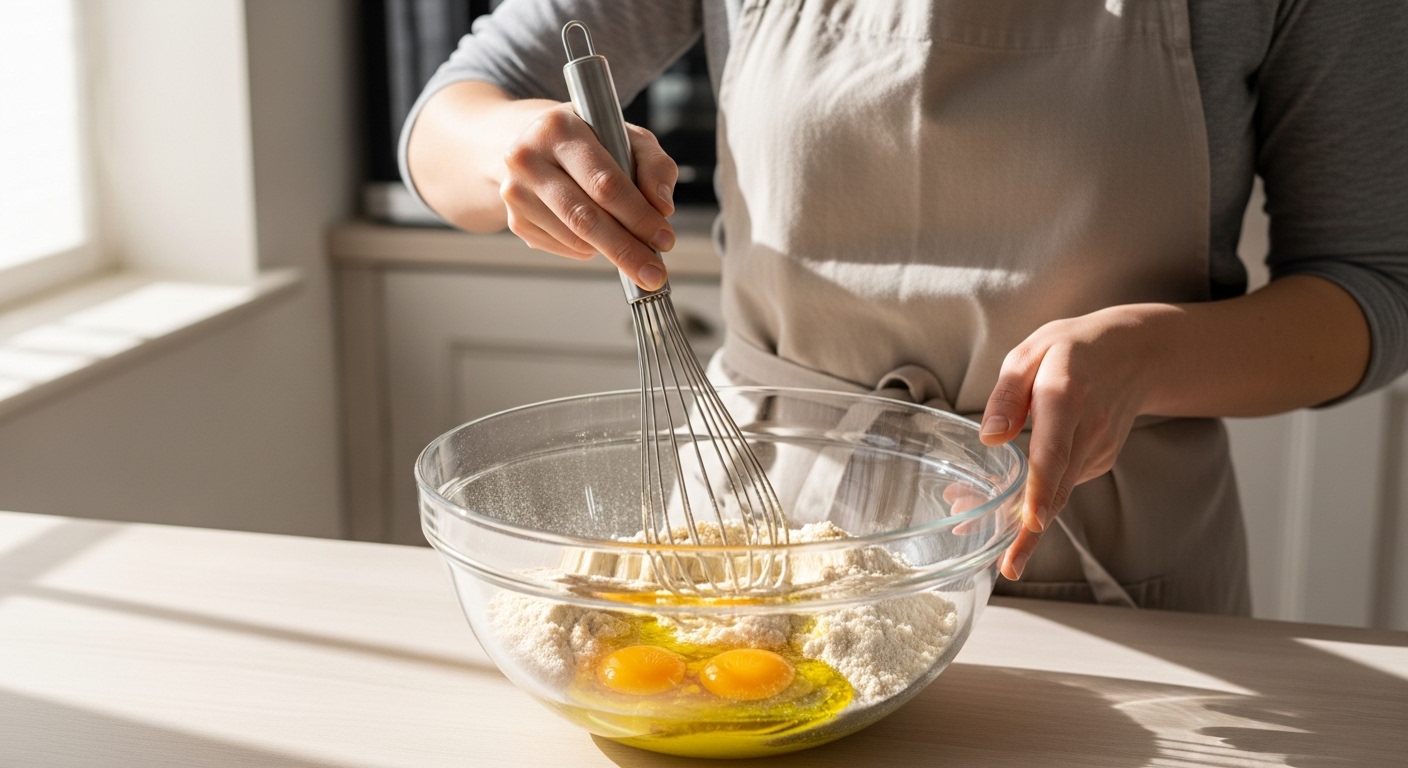
A typical gluten-free pasta dough consists of 100 grams of flour blend, 1 large egg, 1 teaspoon of binder, and 1 tablespoon of olive oil. Adjust moisture gradually with 1–2 tablespoons of cold water until the dough comes together.
For vegan versions, replace the egg with 2 tablespoons of aquafaba (chickpea water) or a flaxseed gel (1 tablespoon ground flaxseed mixed with 3 tablespoons of water). These alternatives create body and help the dough hold shape.
A splash of olive oil softens the texture and adds richness, while salt enhances flavour — don’t forget to season the dough itself rather than relying solely on the sauce.
Essential Tools for Homemade Gluten-Free Pasta
A few key tools make the process far smoother and less frustrating:
-
Rolling pin or pasta machine – for even, thin sheets.
-
Silicone baking mat or parchment paper – prevents sticking during rolling.
-
Bench scraper – essential for lifting and folding fragile dough.
-
Pasta cutter or knife – for neat, consistent strips.
-
Drying rack or floured tray – keeps cut pasta from clumping.
Keep surfaces cool, and flour generously with your gluten-free blend. Because gluten-free doughs absorb moisture quickly, work efficiently and keep any unused dough covered with a damp towel or cling film.
Technique: Mixing, Kneading, and Resting the Dough
-
Mixing the dough
Start by whisking together the dry ingredients — flour blend, binder, and salt — in a large bowl. This ensures the binder distributes evenly. -
Adding wet ingredients
Make a well in the centre, then add your eggs (or liquid alternatives) and olive oil. Mix with a fork until it begins to clump, then bring it together by hand. -
Kneading
Gluten-free dough doesn’t need the long kneading times of wheat dough, but it does benefit from gentle pressure to help the binder activate. Knead for 2–3 minutes — just until the dough feels cohesive and smooth, not sticky. -
Resting
Wrap in cling film and let it rest for 30–45 minutes at room temperature. This crucial step allows the flour to hydrate fully and the binder to develop elasticity. Skip this, and your dough will crack or crumble when rolled.
Rolling and Shaping Gluten-Free Pasta
Once rested, divide the dough into small pieces to make it easier to handle. Keep unused portions covered to prevent drying.
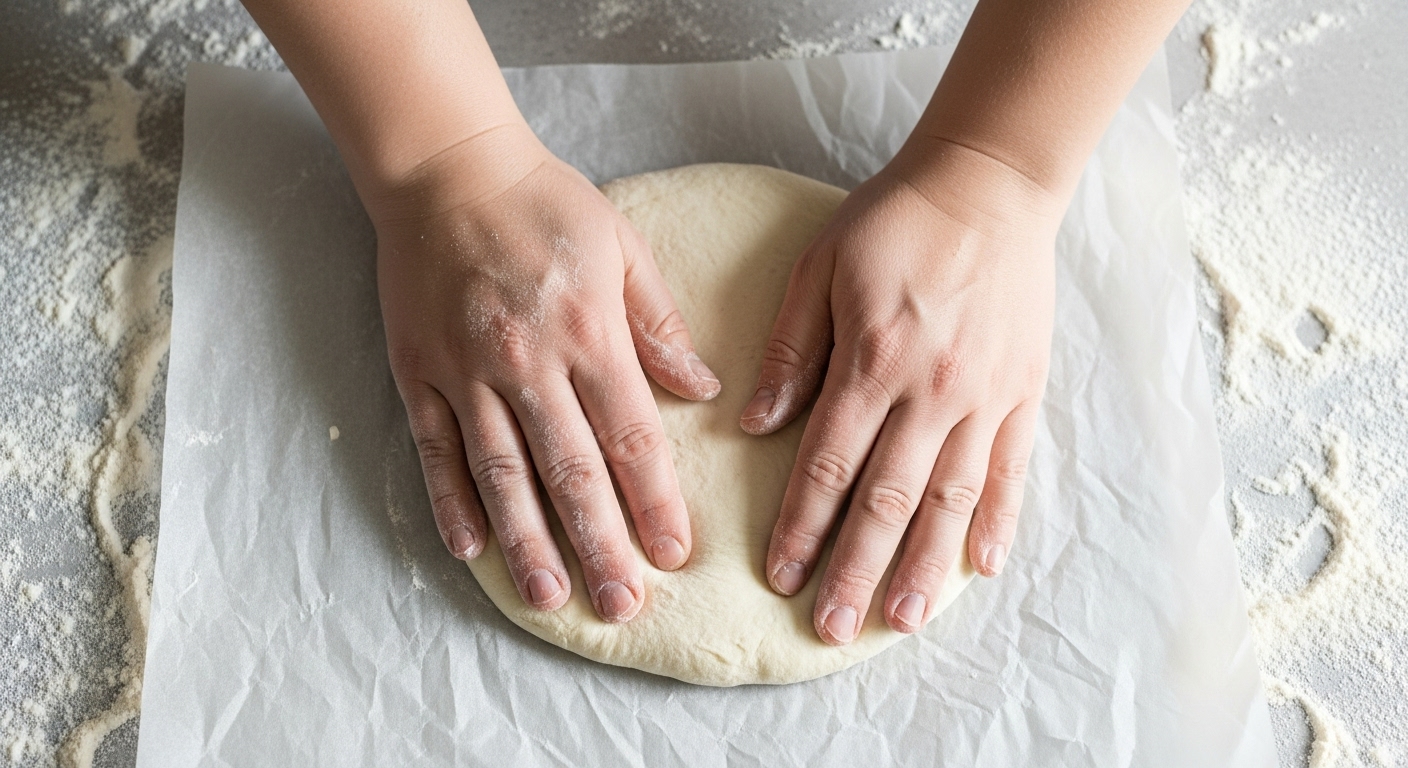
Roll the dough between two sheets of parchment or on a lightly floured surface. If using a pasta machine, start at the widest setting and reduce gradually until you reach the desired thinness. Gluten-free doughs benefit from slightly thicker sheets than traditional ones to prevent tearing.
Cut the pasta into your chosen shapes:
-
Tagliatelle or fettuccine – for creamy or tomato sauces.
-
Lasagne sheets – slightly thicker to withstand baking.
-
Ravioli or tortellini – filled pasta requires extra care; use a bit of water or egg wash to seal edges firmly.
If the dough feels sticky, dust lightly with rice flour or starch. If it starts cracking, mist lightly with water. Gluten-free pasta dough is forgiving once you learn its rhythm — gentle handling and balance are key.
Cooking Times and Techniques
Fresh gluten-free pasta cooks much faster than dried. Drop it into boiling, salted water and cook for 2–3 minutes, or just until the noodles float to the surface and lose their raw texture.
Overcooking will make them mushy, so test frequently. Once drained, toss immediately in warm sauce or a drizzle of olive oil to prevent sticking.
For lasagne or baked dishes, undercook sheets slightly (1–2 minutes less) before layering — they’ll finish cooking in the oven.
Flavour Pairings and Sauces That Complement Gluten-Free Pasta
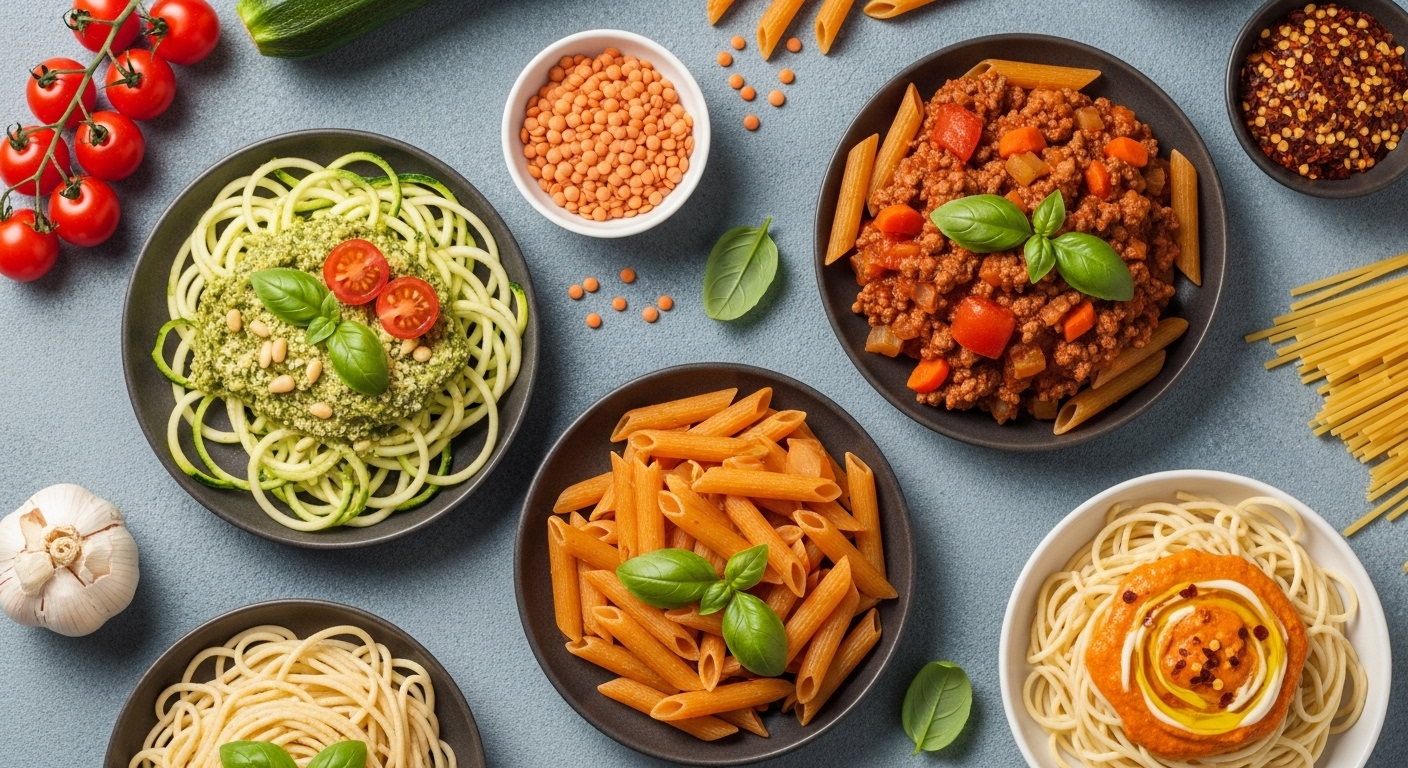
Because gluten-free pasta is often lighter in flavour, it pairs beautifully with simple, vibrant sauces. A few classic combinations include:
-
Rice and corn pasta – bright, herby sauces like pesto, lemon butter, or primavera.
-
Chickpea or lentil pasta – hearty sauces such as ragu, mushroom cream, or roasted tomato.
-
Buckwheat pasta – nutty, rustic flavours like sage butter or wild mushrooms.
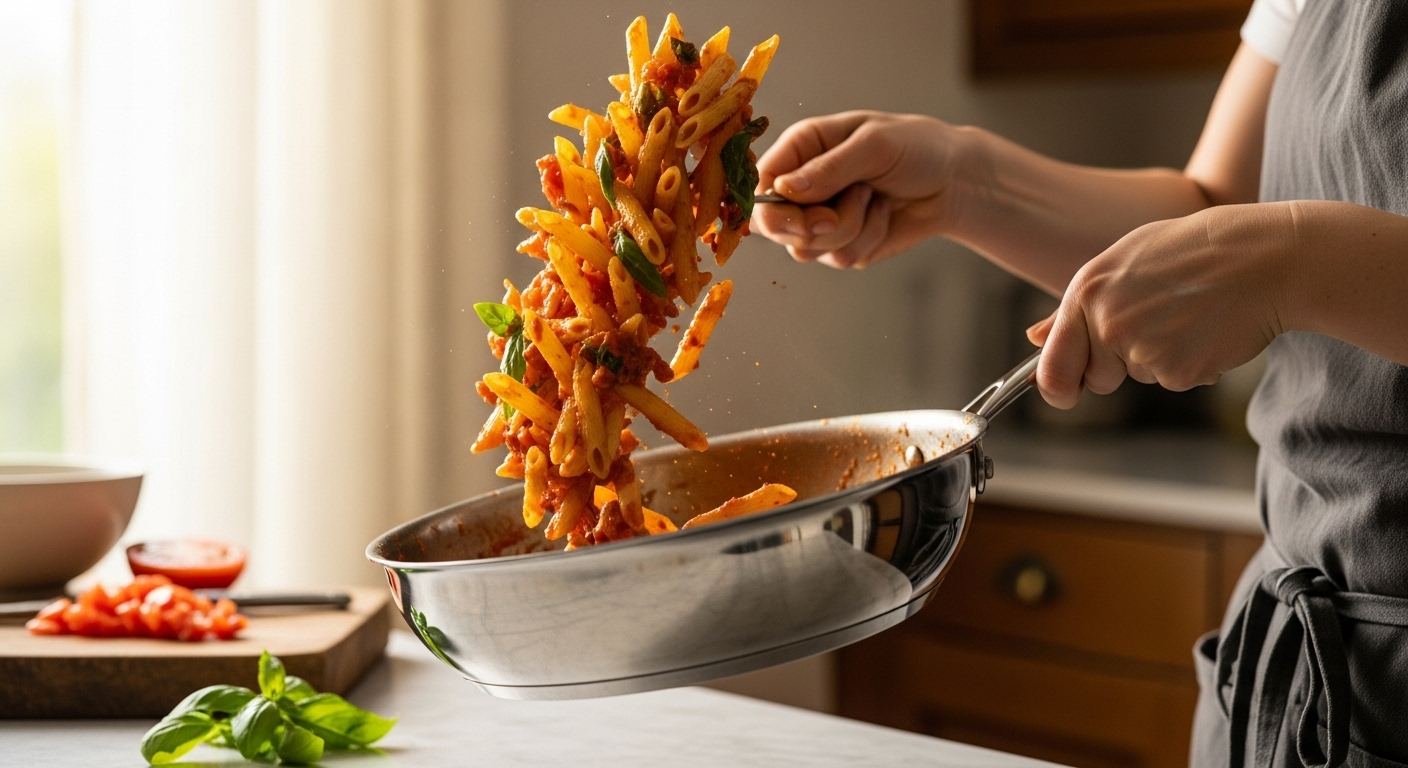
When tossing, combine the pasta and sauce directly in the pan for 30 seconds over low heat. This allows the starch from the pasta water to bind the sauce and coat evenly — the secret to restaurant-quality results.
Storage, Freezing, and Batch Cooking Tips
Fresh gluten-free pasta is best eaten immediately, but it can be stored or frozen successfully with a few precautions.
-
Refrigerate: Wrap in cling film and store in the fridge for up to 2 days. Lightly dust with rice flour to prevent clumping.
-
Freeze: Arrange noodles or filled pasta on a tray in a single layer and freeze until solid, then transfer to bags. Cook straight from frozen, adding an extra minute to the boiling time.
-
Dry: Short pasta shapes like fusilli can be air-dried for several hours, though they’ll cook more quickly than commercial dried versions.
Always re-chill dough before rolling if it softens during storage — cold dough handles better and keeps its structure.
Common Mistakes and How to Fix Them
Even experienced bakers make missteps when working gluten-free. Here’s how to troubleshoot the most common problems:
-
Crumbly dough: Add a teaspoon of water at a time until pliable. If it still breaks, increase the binder slightly.
-
Sticky dough: Sprinkle in extra flour, a tablespoon at a time, or refrigerate for 10 minutes before rolling.
-
Tough texture: Too much binder or overmixing can cause gumminess; next time, use a lighter hand.
-
Pasta breaking in water: Usually a sign of insufficient resting time or too little binder — let the dough hydrate longer.
-
Bland flavour: Season your dough. A pinch of salt or even a dash of olive oil transforms the finished taste.
Conclusion: Mastering Gluten-Free Pasta from Scratch
Mastering gluten-free pasta isn’t about mimicry — it’s about discovering a new kind of craftsmanship. When you understand how to balance flour blends, hydration, and handling, the dough transforms from fragile to flexible, from frustrating to rewarding.
With the right technique and a bit of patience, gluten-free pasta becomes silky, satisfying, and every bit as indulgent as its traditional counterpart. Whether you’re cooking for dietary needs or culinary curiosity, it’s proof that good food transcends gluten entirely.
About the Author