
For anyone who follows a gluten-free diet, eating outside the home can feel like navigating a minefield. Whether for coeliac disease, non-coeliac gluten sensitivity, or personal health reasons, what seems like a simple social activity becomes an exercise in vigilance and control. While friends and colleagues order freely, you may find yourself scrutinising menus, questioning waiters, or wondering whether that “gluten-free” label truly means safe.
Overcoming the stress of eating gluten-free in public is not just about managing what’s on your plate—it’s about managing how you feel. The experience reaches far beyond nutrition. It touches on social identity, confidence, and emotional well-being. There is the constant fear of cross-contamination, the embarrassment of having to explain your needs, and the frustration of being misunderstood or dismissed. For many, dining out becomes a calculated risk rather than an enjoyable event.
This article explores the main causes of that stress, what research says about the psychological impact of public eating on gluten-free individuals, and practical strategies for overcoming the stress of eating gluten-free in public — helping you regain calm and confidence in social food situations.
Common Stress Triggers when Eating Gluten-Free in Public

Stress arises from multiple sources when living gluten-free, and most relate to the loss of control over your food environment.
Cross-contamination is perhaps the most common and legitimate concern. In many restaurants or cafes, gluten-free options share cooking surfaces, utensils or fryers with gluten-containing foods. Even the best-intentioned staff can make small mistakes that have big consequences for people with coeliac disease.
Limited menu options add frustration. Some establishments list gluten-free dishes but fail to train staff properly. Others provide only token options such as salads or grilled chicken, leaving customers feeling restricted and excluded.
Social discomfort also plays a part. Many people dislike drawing attention to their dietary needs. Asking servers detailed questions or refusing food offered by friends can feel awkward or rude. This pressure to “fit in” may lead to risky choices or internal stress.
Then there is the pressure of special occasions — birthdays, weddings, work lunches — where food is central to celebration. The need to stay safe can feel like a barrier to participation, reinforcing the sense of being different.
Travelling or visiting new places intensifies the anxiety. Unfamiliar kitchens, foreign menus and uncertain translations raise questions about safety. Some people cope by packing their own food, but this too can feel isolating or inconvenient.
Finally, there is a financial and emotional toll. Constant planning, buying special products, or paying extra for gluten-free meals can become exhausting. The combination of vigilance and cost adds to the cumulative stress load.
Research insights on stress and gluten-free living
Research consistently shows that people who follow strict gluten-free diets report higher levels of stress and lower quality of life compared with the general population. In surveys of coeliac patients, participants often cite social dining as one of the hardest aspects of their condition.
One study found that while most people adjust physically to the diet, emotional and social adaptation takes much longer. Participants described restaurants and group events as the “most stressful settings”, largely due to the unpredictable nature of gluten exposure.
Another line of research highlights the concept of dietary vigilance. Maintaining constant awareness of gluten risk can become psychologically exhausting, even though it is necessary for safety. Over time, excessive vigilance correlates with reduced enjoyment of life, fewer social outings, and greater overall stress.
In contrast, those who achieve a balance between caution and confidence tend to report better mental well-being. Interestingly, people who have reliable coping routines — such as researching restaurants or trusting specific venues — often experience lower anxiety levels than those who rely solely on avoidance.
This suggests that while risk cannot be eliminated, it can be managed. Knowledge, routine and social support appear to buffer against the stress associated with public eating.
Recognising signs of stress around public eating

Everyone feels nervous about new situations sometimes, but for people who eat gluten-free, persistent stress can indicate deeper strain. Recognising these signs early helps prevent burnout and social isolation.
Common indicators include:
-
Feeling tense or anxious before meals out or social events.
-
Repeatedly reading menus or online reviews, often days in advance.
-
Obsessively checking ingredients or questioning servers multiple times.
-
Avoiding invitations, travel or office gatherings.
-
Eating before events to avoid hunger in case nothing is safe.
-
Feeling drained or upset after eating in public.
-
Struggling to trust even certified gluten-free establishments.
-
Not enjoying food anymore due to constant fear.
Over time, this level of stress can sap both emotional and physical energy. It can also begin to affect relationships, as others may misinterpret anxiety as fussiness or antisocial behaviour.
Practical strategies for managing stress while eating gluten-free in public
Reducing the stress of public eating does not mean ignoring risk; it means managing it smartly. Preparation, communication and mindset are the pillars of confident gluten-free dining.
1. Research and preparation
Knowledge gives you control. Check menus and reviews before you go out. Many restaurants publish allergen guides online, and gluten-free apps or coeliac association websites list safe venues. Calling ahead to ask about cross-contamination policies can prevent surprises later.
If you are travelling or attending a new venue, keep a small emergency snack such as a gluten-free bar or crackers. Knowing you have a backup reduces anxiety about being left without food.
2. Choose simpler dishes
The fewer ingredients and preparation steps involved, the lower the chance of contamination. Dishes based on grilled meat or fish, plain rice, potatoes, salads without croutons, or steamed vegetables are often safest. Avoid deep-fried foods unless you know the fryer is used exclusively for gluten-free items.
3. Communicate clearly and calmly
When talking to staff, use straightforward language. “I have coeliac disease, so I must eat gluten-free. Could you tell me how this meal is prepared?” is both polite and informative. Avoid apologising for your needs. Confidence often earns respect and better service.
4. Enlist support
Tell friends, colleagues or travel companions about your diet before an outing. Most people are happy to accommodate when they understand it’s medical, not a preference. Offer to suggest restaurants or bring your own dish when attending gatherings.
5. Build positive experiences
Keep a small journal of successful meals out. Note where you ate, what you ordered and how you felt afterwards. Revisiting those positive experiences can reinforce trust and reduce anticipatory anxiety for future events.
6. Focus on enjoyment, not perfection
Remind yourself that dining out is about connection as much as food. Even if options are limited, the social aspect can still be rewarding. Shifting attention from risk to relationship lowers stress.
Example checklist before dining out:
-
Check the menu online?
-
Called to confirm gluten-free preparation?
-
Packed a small backup snack?
-
Informed companions about your needs?
-
Planned what to say to the staff clearly?
A little structure makes a big difference to how relaxed you feel once seated at the table.
When stress becomes excessive
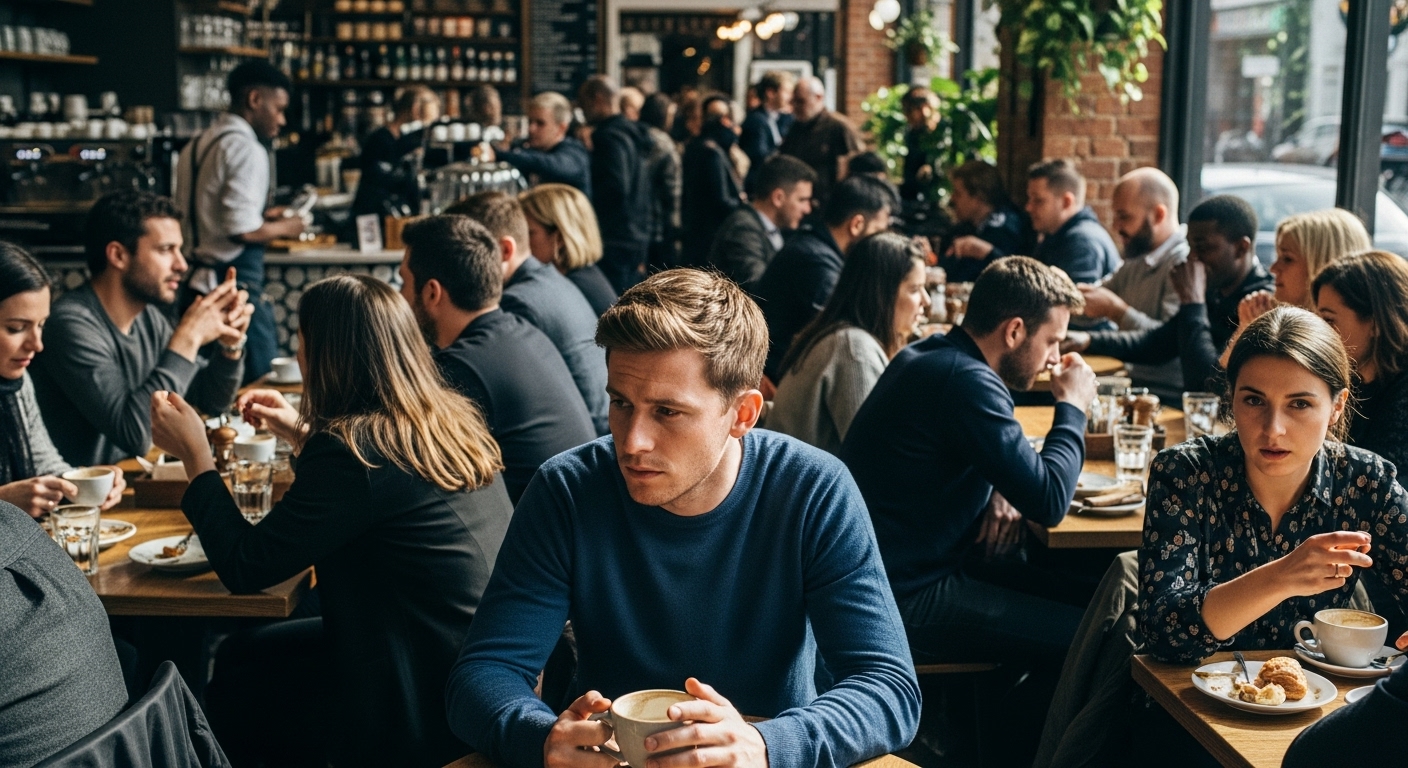
Despite best efforts, some people reach a point where dining in public feels unbearable. This level of distress signals the need for additional support.
You might be experiencing excessive stress if you:
-
Avoid all restaurants or social events involving food.
-
Feel physical symptoms of anxiety (racing heart, sweating, nausea) before meals out.
-
Experience panic attacks or dread around eating in public.
-
Withdraw from friends or family because of food fears.
-
Eat so restrictively that nutrition or body weight is affected.
-
Obsess over contamination to the point of exhaustion.
In severe cases, such patterns resemble avoidant or restrictive food behaviours, such as those seen in ARFID (Avoidant/Restrictive Food Intake Disorder). These behaviours can emerge not from body image concerns, but from fear of adverse reactions.
Professional help can make a huge difference. A dietitian with expertise in coeliac disease can reassure you about real versus perceived risks. A psychologist or therapist trained in anxiety management can teach coping tools, from relaxation exercises to gradual exposure therapy. Addressing stress early prevents it from becoming entrenched.
Building long-term confidence and resilience
Confidence grows through repetition, education and community. Overcoming the stress of eating gluten-free in public involves building systems that make you feel safe and empowered rather than restricted.
Gradual exposure
Avoidance strengthens anxiety. Start small — perhaps a local cafe you know well, ordering something simple. As you accumulate positive experiences, move towards new venues or more complex meals. Each success teaches your brain that dining out can be safe and enjoyable.
Support networks
Join gluten-free or coeliac groups online or locally. Members often share restaurant recommendations, travel tips and emotional support. Hearing others’ experiences normalises your feelings and expands your list of trusted venues.
Personal coping strategies
Develop rituals that help you stay calm, such as slow breathing, visualising a positive meal, or repeating a reassuring phrase. Plan ahead, but also allow flexibility — not every moment can be controlled, and that’s okay.
Trusted restaurant list
Keep a written or digital list of safe places where you’ve had good experiences. Having ready options removes the mental strain of searching from scratch each time.
Balanced perspective
View gluten-free living as a manageable aspect of your health rather than a defining limitation. The goal is not to eliminate all risk but to make informed choices with confidence.
Focus on connection
Remember that meals are primarily about relationships and experiences. Share stories, laugh, and enjoy company — even if your plate looks a little different. When social connection becomes the focus, food fear fades into the background.
Celebrate progress
Acknowledge each successful outing. Over time, these experiences accumulate into a strong sense of capability. Progress may feel slow at first, but consistency builds confidence.
Example Framework for Building Confidence Over Time
| Phase | Goal | Example actions |
|---|---|---|
| Step 1 | Regain safety | Eat in trusted restaurants; ask key safety questions |
| Step 2 | Broaden comfort | Try one new venue each month |
| Step 3 | Strengthen communication | Practise explaining your needs briefly but confidently |
| Step 4 | Reconnect socially | Attend group meals with supportive friends |
| Step 5 | Maintain balance | Accept small imperfections; prioritise enjoyment |
This gradual approach mirrors how therapists treat anxiety: exposure, reflection, and reinforcement. Each step reduces fear and increases trust in your ability to handle new situations.
Conclusion – Overcoming the Stress of Eating Gluten-Free in Public

The stress of eating gluten-free in public is real, rooted in both biological necessity and social complexity. Fear of cross-contamination, limited options and social misunderstanding can transform a pleasant meal into an ordeal. Yet with preparation, communication and the right mindset, this stress can be managed — and even overcome.
Overcoming the stress of eating gluten-free in public means replacing fear with informed confidence. It is about taking practical control while allowing yourself to enjoy connection and comfort again. By planning ahead, trusting your knowledge, and celebrating progress, you can rebuild ease and pleasure around food.
Living gluten-free does not have to mean living anxiously. With awareness, support and resilience, you can dine out safely, confidently, and without letting fear dictate your experience.
About the Author