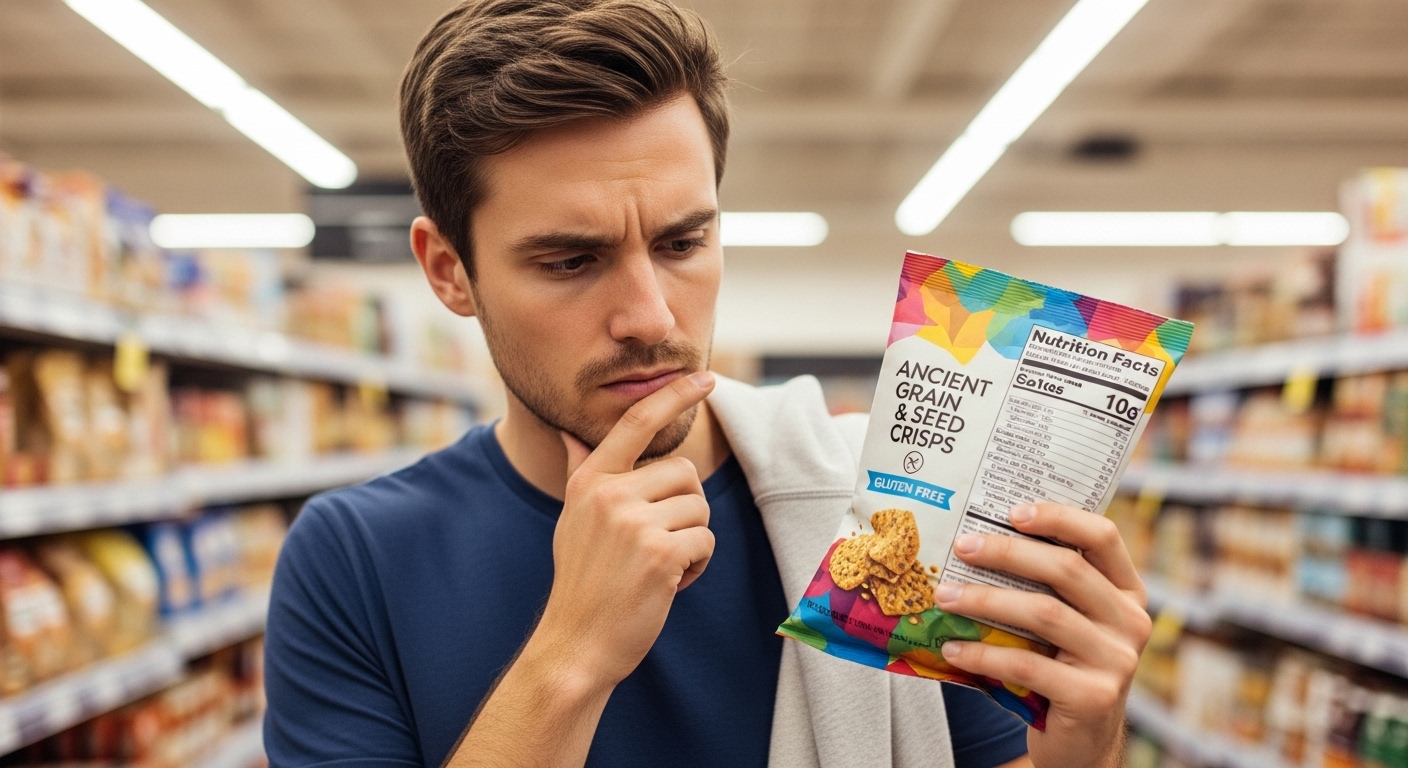
Walk through any UK supermarket and you will find shelves lined with gluten-free bread, biscuits, cereals, and pasta. Once a niche medical category, gluten-free eating has become a booming lifestyle trend. For many shoppers, those two words on a packet — “gluten-free” — signal purity, health, and quality.
Yet the reality is more complex. Gluten-free products are not automatically healthier. In many cases, they contain fewer nutrients and more sugar, fat, or refined starch than their traditional equivalents. A gluten-free biscuit is still a biscuit, and a gluten-free cake can have just as many calories as the standard version.
Understanding the difference between true coeliac disease, gluten insensitivity, and general digestive discomfort is key to making informed dietary choices. At the same time, the future of gluten-free food innovation looks promising, with researchers and producers exploring ways to create options that are both nutritious and satisfying.
This article explains why gluten-free doesn’t always mean healthy and offers practical ways to make genuinely healthy choices within a gluten-free lifestyle.
Understanding What Gluten-Free Actually Means

To understand the issue, it helps to revisit the definition. “Gluten-free” simply means that a food contains less than 20 parts per million of gluten — a naturally occurring protein found in wheat, barley, and rye.
For people with coeliac disease, even trace amounts of gluten can damage the small intestine and cause serious nutrient malabsorption. Those with wheat allergy or non-coeliac gluten sensitivity may also need to avoid gluten for medical reasons.
For everyone else, there is no inherent advantage in removing gluten. Gluten itself is not unhealthy; it is a plant protein that has been part of the human diet for thousands of years. The key difference lies in the foods that carry gluten. When these are replaced with highly processed alternatives, nutritional quality can decline quickly.
The Gluten-Free Industry Boom and Marketing Illusion
Over the past two decades, the gluten-free market has expanded dramatically. Supermarkets, cafés, and restaurants now cater to gluten-free customers as standard. Celebrity endorsements, social-media influencers, and wellness brands have all helped create an image of gluten-free as a clean or superior lifestyle.
This marketing success rests on the health halo effect — a psychological bias where consumers assume that a product with a positive label must be healthy overall. Terms such as “free from”, “natural”, or “whole” reinforce this image, even when the product is high in sugar or saturated fat.
Gluten-free bread, biscuits, and snack bars often rely on this illusion. They are positioned next to “organic” or “low-fat” products and use minimalist packaging that signals health. However, the absence of gluten does not automatically mean the presence of nutrients.
Myth vs Fact: Comparing Nutrition Labels
When we compare gluten-free and standard versions of everyday foods, the numbers tell a clear story.
-
Bread: Gluten-free loaves are often made with rice flour, potato starch, or tapioca. These ingredients give volume but little nutrition. They can contain less protein and fibre and more added fat to improve softness.
-
Pasta: Standard whole-wheat pasta typically provides 5–6 grams of fibre per serving. Many gluten-free versions deliver less than half that amount.
-
Biscuits and cakes: Gluten-free sweet treats often use extra sugar or oil to compensate for missing gluten structure.
When reading labels, compare per 100 grams rather than per serving. Pay attention to fibre, protein, sugar, and fat. If a gluten-free product has similar calories but less fibre and protein, it is not the healthier option.
The Fibre Deficiency Problem
Fibre is one of the most common nutritional gaps in gluten-free diets. Wheat, barley, and rye are major sources of dietary fibre in the average UK diet. Removing them without proper replacement can cause digestive sluggishness, poor satiety, and even increased risk of heart disease over time.
Many gluten-free processed foods are made with low-fibre flours such as white rice or corn starch. This lack of fibre can also disrupt the gut microbiome, the community of beneficial bacteria that supports digestion and immunity.
To fix this, focus on naturally gluten-free high-fibre foods, such as:
-
Beans, lentils, and chickpeas
-
Vegetables, including broccoli, carrots, and leafy greens
-
Fruits with edible skins, such as apples and pears
-
Gluten-free whole grains such as quinoa, buckwheat, millet, teff, and certified gluten-free oats
Adults should aim for around 30 grams of fibre per day. If you follow a gluten-free diet, it takes deliberate planning to meet that goal.
Hidden Sugars and Additives in Gluten-Free Foods

One of the lesser-known issues with gluten-free products is the use of starches, gums, and sugars to replicate gluten’s texture. Gluten gives elasticity and chewiness to dough. Without it, manufacturers rely on combinations of starches such as potato, tapioca, or corn and binding agents such as xanthan gum or guar gum.
While these replacements make products palatable, they can have side effects:
-
Blood sugar spikes: Refined starches digest quickly, causing rapid increases in glucose and energy crashes.
-
Added sugars: Many gluten-free biscuits, muffins, and cereals include extra sugar to improve flavour.
-
Texture additives: Gums are safe for most people but may cause bloating or discomfort if eaten in large amounts.
The healthiest strategy is to limit ultra-processed gluten-free products and base meals on whole, natural foods. Home-cooked dishes using gluten-free grains and fresh ingredients reduce reliance on these additives.
Micronutrient Gaps in Gluten-Free Diets
Beyond fibre and sugar, gluten-free diets can lack key vitamins and minerals. Standard wheat flour in the UK is fortified with iron, calcium, thiamine, and niacin by law. Most gluten-free flours are not fortified, leaving a nutritional gap.
This can result in low intake of:
-
B vitamins (especially folate, thiamine, and niacin)
-
Iron
-
Calcium
-
Zinc and magnesium
Over time, deficiencies can cause fatigue, low mood, and weaker immunity. To avoid this, include nutrient-dense foods such as eggs, dairy, legumes, nuts, and leafy greens. When buying gluten-free flours or cereals, look for products labelled “fortified”. A registered dietitian can also advise on whether a multivitamin is suitable.
When Gluten-Free Is Necessary — and When It’s Not

There are legitimate medical reasons to follow a gluten-free diet. For individuals with coeliac disease, even tiny traces of gluten can damage the gut lining and cause severe symptoms. Similarly, those with wheat allergy must avoid gluten-containing grains entirely.
However, for most people, removing gluten is not necessary for health. There is no evidence that gluten is inherently harmful to the general population. Some people who report feeling better without gluten are actually reacting to other components of wheat, such as FODMAPs (a type of fermentable carbohydrate) or to the overall reduction in processed foods.
Before removing gluten, it is wise to seek medical testing for coeliac disease. Starting a gluten-free diet beforehand can make test results unreliable.
The Psychology of “Health Halo” Foods
The popularity of gluten-free eating is as much psychological as nutritional. Many people feel reassured by foods labelled “free from”, assuming they are lower in calories, fat, or additives. This health halo leads to overconsumption of snacks that would otherwise be viewed as treats.
For example, gluten-free crisps or brownies may seem healthier, but their calorie content is often identical to regular versions. Over time, this perception can sabotage weight-management efforts.
Marketing plays a major role. Colour schemes in green or white, words such as “natural” or “pure”, and endorsements from wellness influencers all strengthen the belief that gluten-free equals better. Awareness is the first defence against these subtle cues. Always look past the label and read the nutritional facts before buying.
Healthy Gluten-Free Done Right
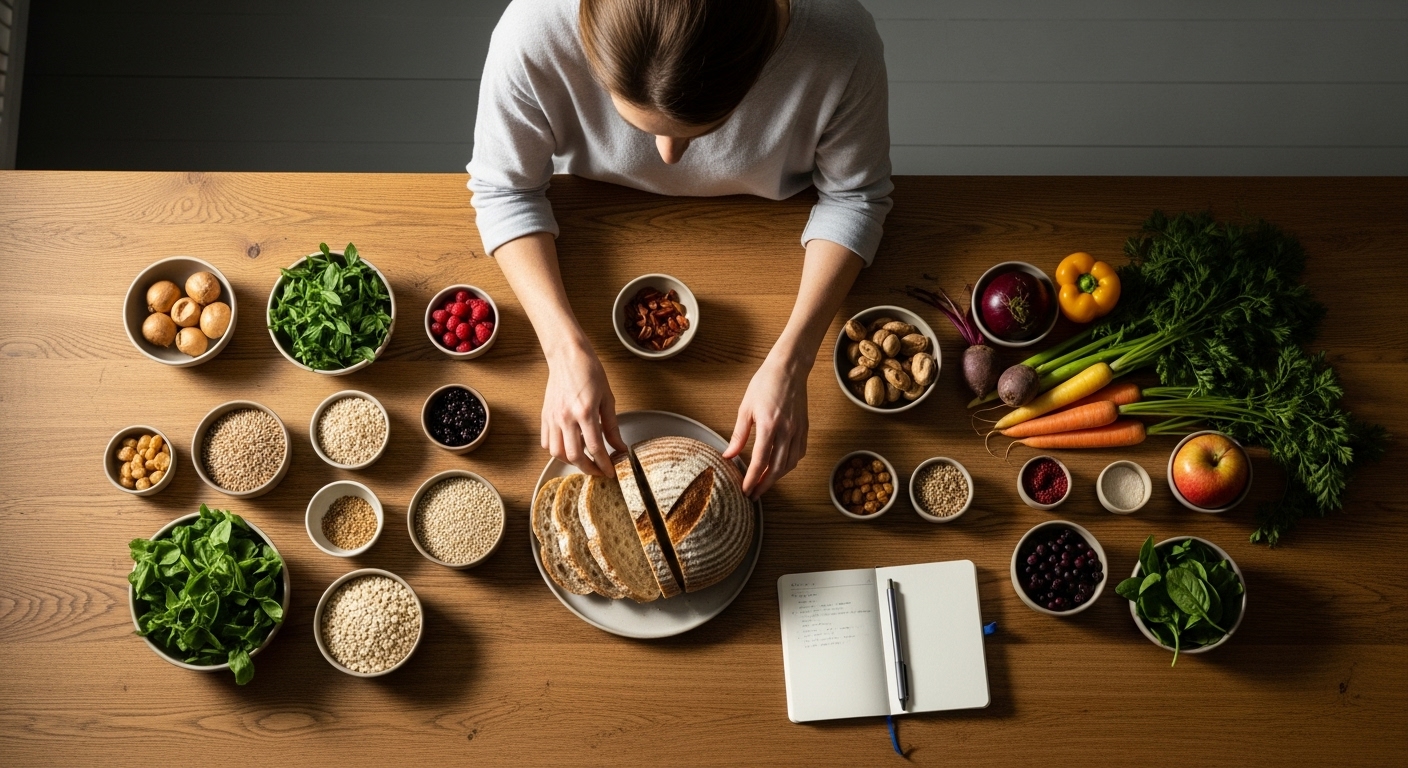
A gluten-free diet can be perfectly healthy if it is based on whole foods rather than processed substitutes. The key is to rebuild balance using natural, nutrient-rich ingredients.
Choose Naturally Gluten-Free Staples
Base your meals on foods that are naturally free from gluten:
-
Brown rice, quinoa, buckwheat, millet, and potatoes
-
Fresh fruit and vegetables
-
Beans, lentils, chickpeas, and peas
-
Eggs, dairy, fish, and lean meat
-
Nuts and seeds
These provide a wide range of fibre, protein, and micronutrients without the need for industrial additives.
Focus on Variety
Eating the same gluten-free foods repeatedly can lead to imbalances. Rotate grains and protein sources to cover more nutrients and reduce exposure to contaminants such as arsenic from rice.
Cook More Often
Cooking at home gives you full control over ingredients and cross-contamination. Simple recipes such as vegetable stir-fries with brown rice or quinoa salads with chickpeas and roasted vegetables can be prepared quickly and are naturally balanced.
Fortify and Supplement Wisely
If you rely heavily on gluten-free flours or cereals, choose fortified options or consider a daily supplement that includes B vitamins, iron, and vitamin D. Always consult a healthcare professional before adding supplements.
Hydration and Portion Awareness
High-fibre gluten-free foods such as legumes or oats require adequate water for comfortable digestion. Keep portion sizes similar to standard dietary recommendations — gluten-free does not mean unlimited.
Real-World Examples of Balanced Gluten-Free Meals

-
Breakfast: Certified gluten-free oats cooked with milk, chia seeds, and berries.
-
Lunch: Quinoa and lentil salad with olive oil dressing, spinach, and roasted peppers.
-
Dinner: Grilled salmon with sweet potato wedges and broccoli.
-
Snacks: Fruit, nuts, or yoghurt rather than packaged gluten-free biscuits.
This approach keeps blood sugar steady, provides sustained energy, and covers essential nutrients that might otherwise be missed.
The Economics of Gluten-Free Eating
Another aspect often overlooked is cost. Gluten-free packaged foods can be two to three times more expensive than standard products. This price gap often reflects specialist manufacturing, certification, and marketing, rather than superior ingredients.
By shifting towards whole foods — rice, potatoes, fruit, vegetables, and legumes — families can maintain a gluten-free diet without excessive spending. Cooking from scratch also reduces reliance on costly branded items.
Budget-friendly strategies include:
-
Buying naturally gluten-free staples in bulk
-
Using frozen vegetables and fruit
-
Preparing soups, stews, and casseroles that stretch across several meals
Health and affordability can coexist with planning and creativity.
Social and Emotional Aspects of Gluten-Free Eating

People who adopt gluten-free diets sometimes experience social pressure or confusion. Friends may assume it is a trend rather than a medical requirement, while restaurants can vary in their understanding of gluten safety.
To navigate these challenges:
-
Communicate needs clearly when dining out.
-
Choose restaurants with certified gluten-free options.
-
Explain to children why their gluten-free diet is important, using simple, positive language.
Maintaining a relaxed, confident attitude helps normalise gluten-free living and reduces anxiety around food choices.
Conclusion: Why Gluten-Free Doesn’t Always Mean Healthy

Gluten-free eating has clear medical benefits for those who truly need it, but for the general population it is not a guaranteed path to better health. Many gluten-free products are highly processed, lower in fibre, and missing essential vitamins and minerals.
The healthiest gluten-free diets prioritise whole, naturally gluten-free foods, including grains like quinoa and buckwheat, plentiful fruits and vegetables, lean proteins, and healthy fats. Reading labels carefully, planning meals, and limiting packaged snacks make all the difference.
True health is never about a single label or trend. It comes from balance, variety, and informed choices — whether gluten-free or not.
About the Author