
Food is at the heart of human connection. Meals bring people together to celebrate, share stories, and strengthen bonds. From Sunday roasts to work lunches, birthdays, and holidays, food is a symbol of belonging. Yet for anyone who must follow a gluten-free diet, these social occasions can quickly become sources of anxiety or isolation rather than joy.
People may adopt a gluten-free lifestyle for several reasons. The most well-known is coeliac disease, an autoimmune condition in which gluten triggers intestinal damage and serious health issues. Others may have non-coeliac gluten sensitivity, experiencing digestive or neurological symptoms without intestinal injury. Some individuals simply choose to go gluten-free because they believe it supports general health or energy levels.
Whatever the reason, avoiding gluten requires constant awareness. Eating with others, once spontaneous and easy, often demands research, questions, and self-advocacy. The fear of cross-contamination or of being misunderstood can make social life feel complicated. This article explores how to handle social situations when you’re gluten-free, offering practical strategies and real-life guidance to make social situations more comfortable and fulfilling.
Understanding Common Social Settings and the Hidden Risks

Dining Out at Restaurants
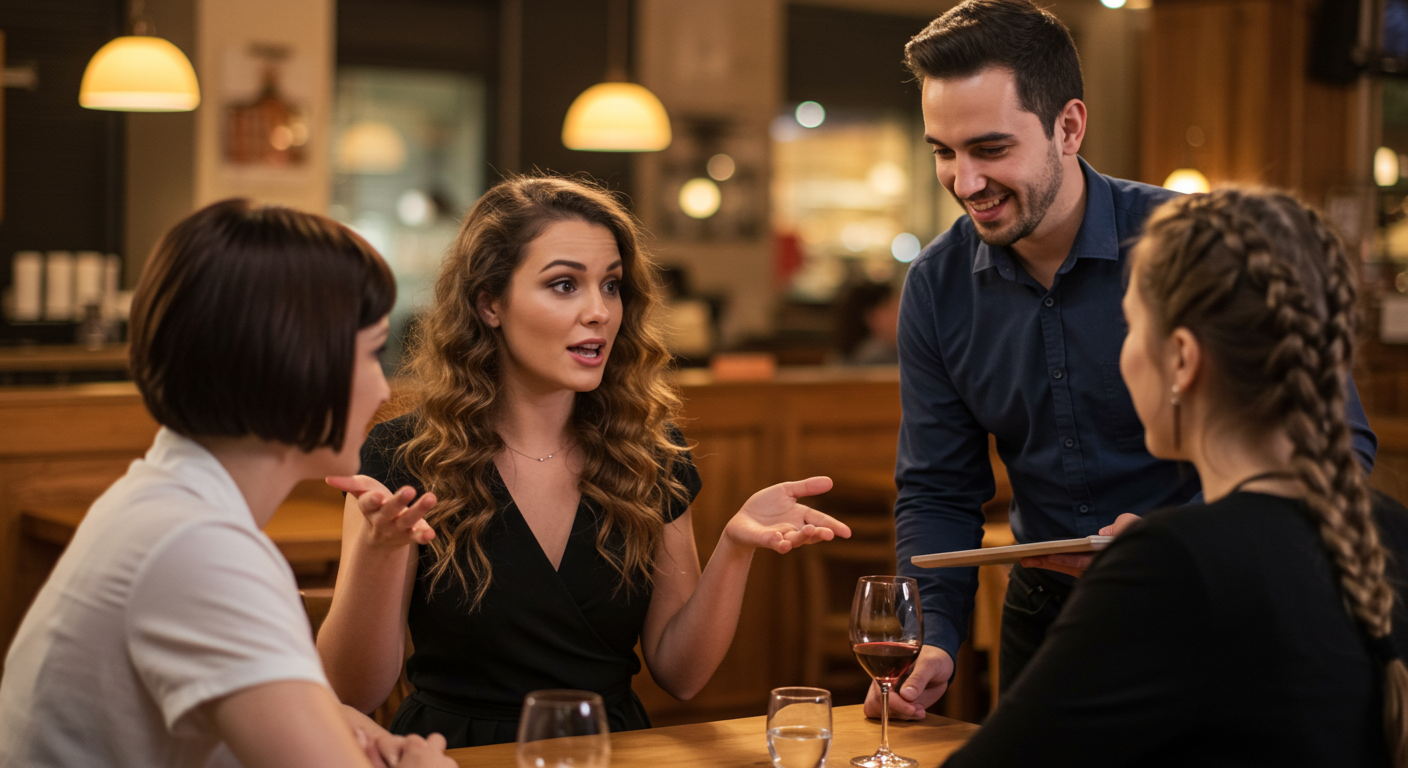
Restaurants are one of the most common yet challenging places for gluten-free diners. Although many now list gluten-free options, cross-contact remains a major concern. Shared utensils, chopping boards, or fryers may expose food to traces of gluten. Menus can also be limited, leaving few choices that feel satisfying or safe. Feeling restricted or anxious about ordering can reduce enjoyment, even when friends are supportive.
Parties, Potlucks and Gatherings with Friends
Social events that involve shared dishes create uncertainty. A friend’s casserole might contain hidden flour, soy sauce, or breadcrumbs. Even when others try to accommodate, they may not realise that small crumbs can cause harm. The result is often a difficult choice between eating nothing and risking illness. Guests can feel awkward refusing food that someone has lovingly prepared, leading to guilt or embarrassment.
Work Events and Colleagues
Office lunches, buffets, and business trips are notoriously tricky. In these settings, people may feel pressured to blend in, which makes advocating for dietary needs harder. Fear of appearing fussy or drawing attention can lead to skipped meals or quiet discomfort. Travel for work adds another layer of complexity, with limited control over restaurants or catering options.
Family Meals, Celebrations and Holidays
Family traditions are deeply tied to food, which can make gluten avoidance feel particularly isolating. Cultural dishes or family recipes often involve gluten, and relatives might not understand the seriousness of contamination. A well-meaning offer of “just a little” can create emotional strain. Holidays such as Christmas or Easter may heighten the sense of difference when everyone else enjoys traditional favourites.
Travel and Being Away from Home
Travelling while gluten-free can be rewarding but challenging. New environments mean unfamiliar kitchens, languages, and food labels. Safe gluten-free options may be scarce or hard to verify. Without preparation, travel can become stressful rather than enjoyable. Carrying backup snacks and researching gluten-free-friendly restaurants can make the experience much easier.
Preparing Ahead to Confidently Participate in Social Occasions
Research the Venue and Menu Ahead of Time
Before going out, check restaurant menus online and look for gluten-free certifications or reviews from others with coeliac disease. If information is unclear, call the restaurant directly. Ask specific questions about cross-contact, separate preparation areas, and cooking methods. Doing this early saves time and worry on the day.
Pre-Event Communication
When invited to a dinner or celebration, communicate your needs clearly and early. Most hosts want their guests to feel comfortable, but they may need guidance. Explain that gluten avoidance is a health necessity rather than a preference, and offer suggestions or recipes. Many hosts appreciate the chance to help when they understand the reasons behind the request.
Bring Your Own Dish or Snack
Contributing a dish ensures at least one safe option and allows others to try gluten-free food. This approach often turns potential awkwardness into an opportunity to share knowledge and flavours. It also reduces anxiety about what you will eat and keeps you included in the meal.
Pack Emergency Safe Snacks
Carrying small, non-perishable snacks such as rice cakes, nuts, or protein bars can prevent hunger or stress if options are limited. This is particularly useful for long events, work trips, or travel days when safe meals are uncertain.
Practise Self-Advocacy
Self-confidence grows through preparation. Rehearse how to decline unsafe food politely, or how to ask staff about preparation methods. A calm, clear tone communicates that your needs are serious without creating tension. Over time, assertiveness becomes easier and part of a normal routine.
Communicating Your Needs with Clarity and Confidence

Explaining Without Awkwardness
Clarity is key. When asked why you avoid gluten, keep your answer short and factual. You might say, “I have coeliac disease, so I have to avoid gluten completely,” or “I have a medical reason for eating gluten-free.” This prevents over-explanation and helps others take your needs seriously.
Talking to Hosts
Be kind and direct. Explain what gluten-free means in practical terms: no wheat, barley, rye, or contaminated cooking tools. Offer to bring something or help prepare a dish together. Gratitude and cooperation make hosts more likely to accommodate you again in the future.
Communicating with Restaurant Staff
Always double-check gluten-free claims. Ask how food is cooked, whether chips share a fryer with breaded items, or if sauces contain flour. Many restaurants appreciate questions, as they demonstrate both awareness and care. Clear communication prevents misunderstandings that could lead to illness.
Encouraging Self-Advocacy in Others
For young people or those new to gluten-free living, confidence can take time. Parents and friends can support by practising conversations, role-playing restaurant scenarios, or sharing positive experiences. Building these skills early promotes independence and long-term well-being.
Strategies to Stay Social While Staying Safe
Choosing Safer Menu Items
Favour simple dishes made from naturally gluten-free ingredients such as grilled meat or fish, rice, potatoes, vegetables, and fresh salads. Avoid sauces unless confirmed gluten-free. Request minimal seasoning and explain the need for a clean pan or utensil. These small steps reduce exposure risk.
Hosting Your Own Event
Hosting gives you full control over the menu and cooking environment. It also allows you to demonstrate how enjoyable gluten-free food can be. Guests often leave surprised at how little difference they noticed. Hosting can be empowering and helps educate others in a relaxed setting.
Suggesting Alternative Venues
When planning outings, suggest restaurants or cafés that you already know handle gluten-free meals safely. Most friends are happy to go along with a suggestion, particularly when you show enthusiasm rather than anxiety.
Sharing Your Favourite Gluten-Free Dish
Bringing food to share turns your restriction into inclusion. Sharing something delicious encourages curiosity rather than pity. It also builds confidence and helps normalise gluten-free eating within your social circle.
Focusing on Enjoyment, Not Restriction
Shift your attention from what you cannot have to what you can enjoy. Focus on conversation, music, or atmosphere instead of food limitations. This change in mindset encourages relaxation and strengthens social bonds.
Managing Emotional or Psychological Challenges in Social Situations

Feelings of Exclusion or Anxiety
Saying no to food can feel uncomfortable, especially in social settings. It is natural to worry about offending others or being perceived as difficult. Remember that your health is not negotiable. Most people respect honesty, and those who do not are reacting from misunderstanding, not malice.
Stress from Vigilance
Constant awareness of cross-contact can become mentally tiring. Even successful events can leave you exhausted. Acknowledge that this vigilance takes effort. Build in recovery time afterwards with rest, exercise, or relaxation.
Building Resilience and Self-Compassion
Gluten-free living involves lifelong adjustments, and setbacks will happen. Practise patience with yourself. Self-compassion reduces guilt and prevents burnout. Engage with online or local gluten-free communities where others understand your experiences and can offer advice or reassurance.
Balancing Social Life with Wellbeing
Sometimes, it is healthier to skip an event than to endure stress or risk. Declining an invitation does not make you antisocial; it shows self-care. Choose social interactions that support rather than drain your well-being.
Troubleshooting Tricky Situations and Common Pitfalls
When There Are No Safe Options
If an event lacks gluten-free food, discreetly eat what you have brought or focus on drinks and conversation. Never feel pressured to eat unsafe food for the sake of politeness. Protecting your health is always acceptable.
When Hosts Are Unfamiliar or Dismissive
Not everyone understands gluten-related conditions. Calmly explain that gluten can make you unwell and thank them for their effort, even if limited. If they continue to disregard your needs, prioritise safety without guilt. Education works best through patience and example.
High-Risk Venues
Buffets, pizza restaurants, and shared fryers are notorious for contamination. Choose plain items like salad, fruit, or sealed yoghurt. Ask for clean plates and utensils. It is better to eat lightly than to spend days recovering from exposure.
Handling Social Pressure
When someone insists you “just try a bit”, respond firmly but kindly. A simple “I can’t, it makes me ill” is usually enough. Practising assertive yet polite phrases prepares you for these moments without confrontation.
Travel and Holidays
Preparation is the secret to enjoyable travel. Research gluten-free restaurants, pack non-perishable snacks, and learn key phrases in local languages. Booking accommodation with kitchen facilities adds flexibility. A little planning allows you to enjoy freedom and adventure safely.
Building a Supportive Social Network and Maintaining Long-Term Social Wellbeing

Joining Support Groups
Connecting with others who live gluten-free can be transformative. Online communities and local coeliac associations share restaurant tips, recipes, and coping strategies. Knowing you are not alone strengthens motivation and emotional health.
Educating Friends and Family
When loved ones understand your diet, they can help ensure gatherings are inclusive. Teaching them to check labels or avoid cross-contact creates allies in your social circle. Over time, this shared knowledge reduces your mental load.
Advocating for Awareness
Use your experience to raise awareness about gluten-free needs. Whether through social media, workplace discussions, or informal chats, sharing accurate information builds empathy and helps others feel supported, too.
Celebrating Successes
Reflect on events that went well. Celebrate your confidence in speaking up, your safe meal choices, or your ability to relax and enjoy yourself. Recognising these moments reinforces progress and builds optimism.
Conclusion – How to Handle Social Situations When You’re Gluten-Free
Navigating social life while gluten-free requires planning, communication, and resilience, but it is entirely manageable. By preparing ahead, expressing your needs clearly, and focusing on enjoyment rather than restriction, you can participate fully and safely in every part of life.
Being gluten-free does not mean giving up fun, friendship, or spontaneity. It simply calls for awareness and confidence. When you view your gluten-free diet as a positive part of your lifestyle rather than a limitation, you maintain both health and happiness. With the right mindset and support, social situations become opportunities for connection, not obstacles.
About the Author