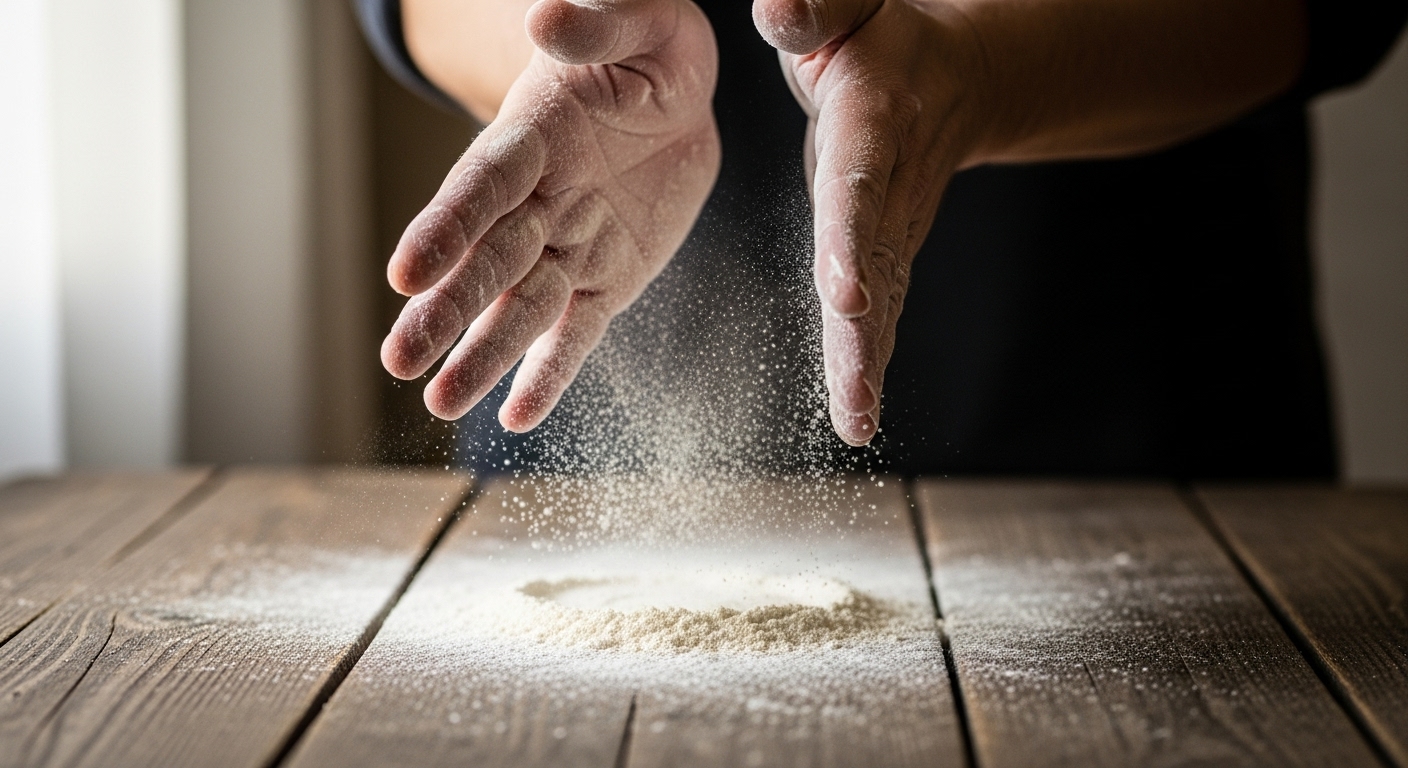
Few food ingredients have generated as much debate as gluten. Once a humble component of bread and porridge, gluten has become a lightning rod for discussions about health, diet, and modern food production. To understand why gluten is now viewed with suspicion, it helps to look at how it evolved alongside human civilisation.
The history of gluten is also the story of agriculture itself. From early farming communities in the Fertile Crescent to modern food factories, gluten has shaped the way humans grow, process, and consume grain. By tracing its history, we can see how industrialisation and changing eating habits transformed gluten from an ancient staple into a modern dietary controversy.
Origins of Gluten: Early Agriculture and the Birth of Wheat
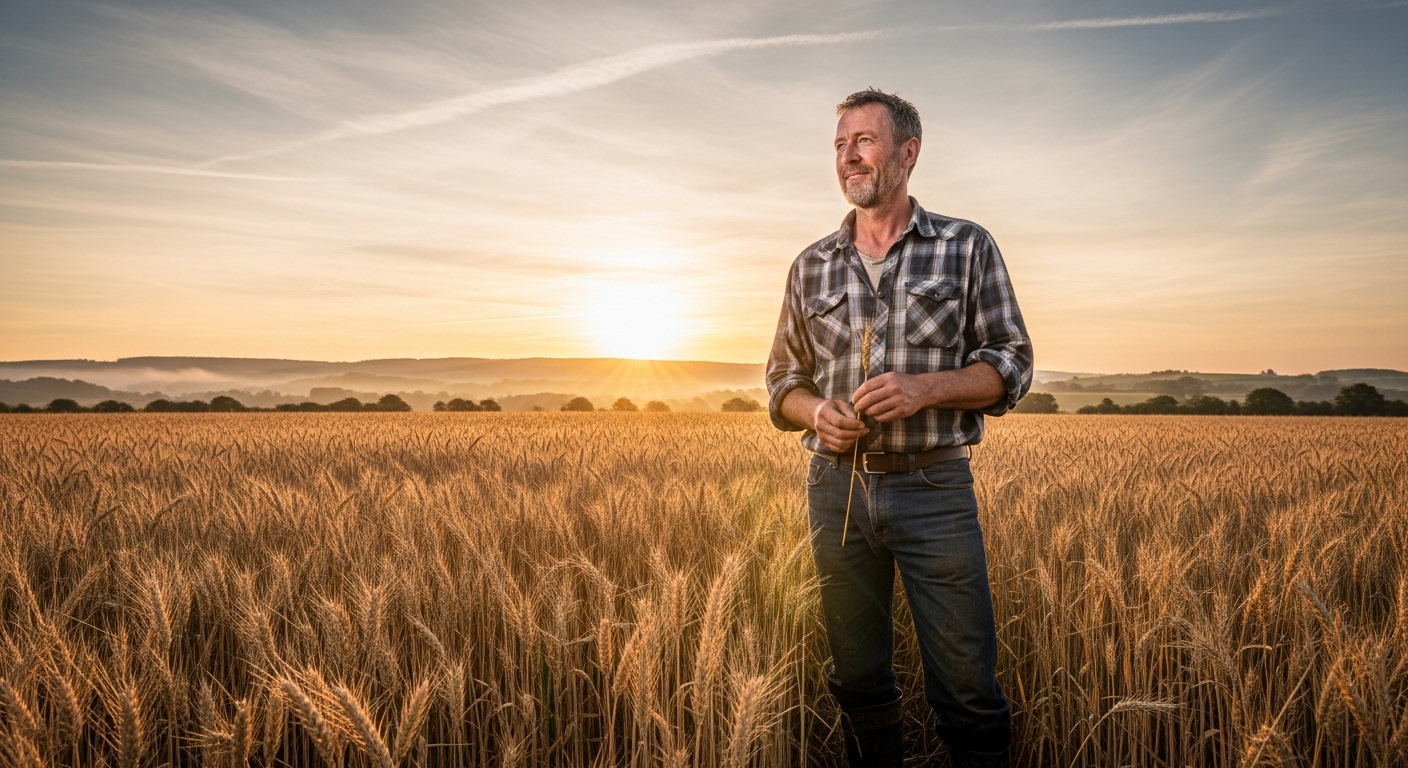
Around 10,000 years ago, early farmers in the region known as the Fertile Crescent began domesticating wild grasses such as einkorn and emmer. These ancient grains naturally contain gluten-forming proteins, although in smaller and less complex forms than in modern wheat.
Gluten was not a single invention but a natural consequence of human selection. When these farmers chose grains that produced stronger, more elastic dough, they were unknowingly breeding wheat varieties richer in gluten. This protein made bread easier to shape and allowed loaves to rise when baked over embers or in primitive ovens.
At that stage, gluten was part of a simple, whole-grain food system. The grains were stone-ground and eaten with their bran and germ intact, meaning fibre and nutrients were preserved. The gluten content was modest, and diets remained varied with lentils, barley, fruits, and wild plants all part of daily meals.
Gluten’s Role in Early Civilisations
As agriculture spread from Mesopotamia into Egypt, Greece, and Rome, gluten became essential to the cultural and economic life of these societies. Ancient bakers discovered that kneading dough and leaving it to ferment produced lighter, tastier bread. Gluten was the invisible magic that made this possible.
In Egypt, bread was considered sacred and central to social hierarchy, with different grades reserved for priests and pharaohs. The Greeks baked more than seventy kinds of bread, many of which relied on gluten’s structure. The Romans even had professional bakers who supplied soldiers and citizens alike.
Yet gluten consumption in those times was balanced by a diet rich in vegetables, pulses, and whole grains. Meals were slower and fresher. Food preparation relied on natural fermentation and hand milling rather than refined industrial techniques. As a result, gluten exposure was moderate, and the broader diet supported digestion and microbial health.
The Evolution of Wheat Through Breeding and Hybridisation
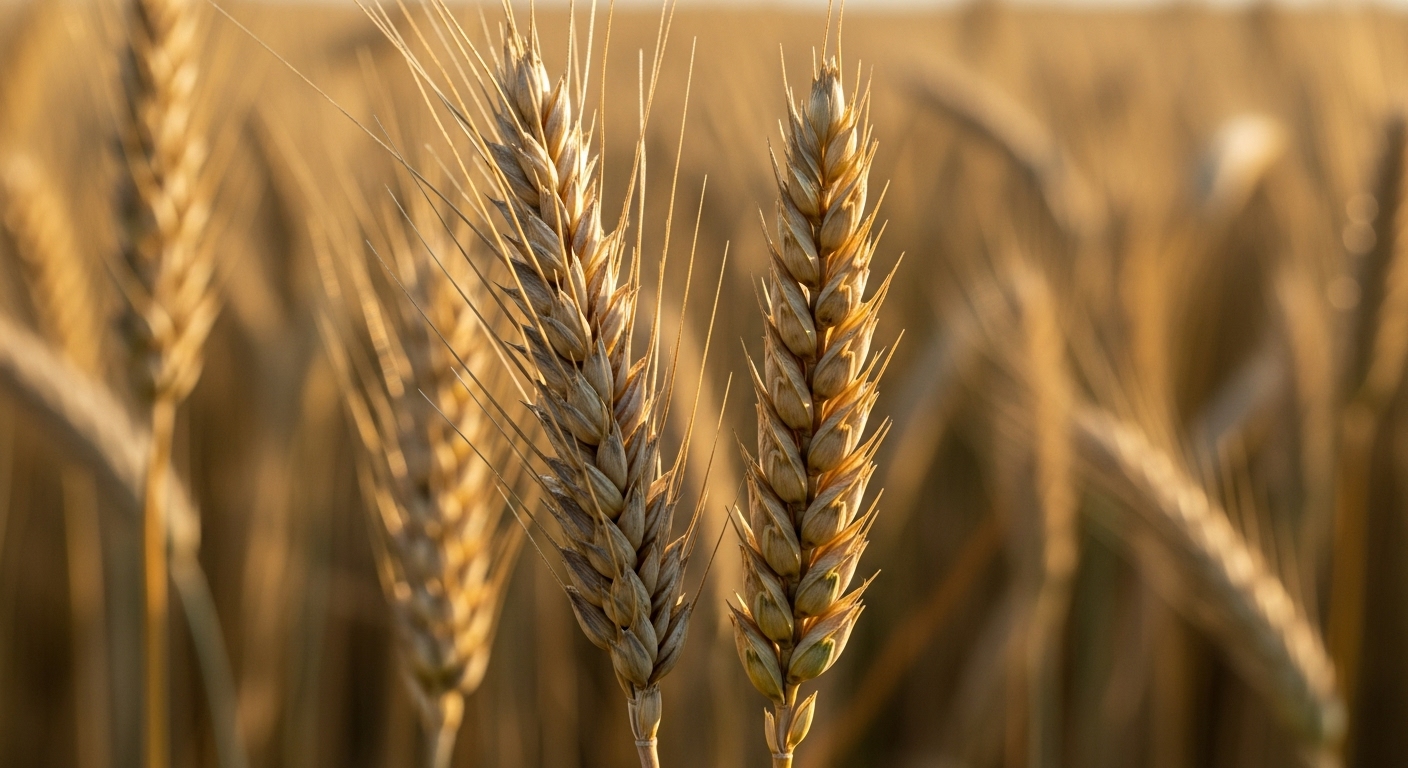
Human ingenuity shaped wheat to suit changing needs. Over centuries, farmers cross-bred grains to improve yield, pest resistance, and texture. The most dramatic changes occurred during the nineteenth and twentieth centuries, culminating in the Green Revolution.
Selective breeding and hybridisation produced modern wheat varieties with higher protein content and stronger gluten. This made the dough more elastic and consistent for commercial bread production but also increased the total gluten load per serving. Heritage varieties such as spelt, emmer, and einkorn contain different gluten structures that may be easier for some people to digest, although research remains ongoing.
These genetic changes were not malicious but a reflection of agricultural progress. The world needed crops that could feed growing populations. However, the consequence was a grain that differed considerably from its ancient predecessors, both in nutrient profile and gluten concentration.
Industrialisation and the Mechanisation of Flour Production
The Industrial Revolution of the 1800s transformed how humans processed and consumed wheat. Traditional stone milling gave way to steel roller mills, which could produce fine, white flour quickly and cheaply.
This new method separated the bran and germ from the endosperm, removing fibre, vitamins, and minerals. The resulting flour looked appealing and had a long shelf life but contained mostly refined starch and concentrated gluten. Bread made from such flour was softer and whiter — symbols of wealth and progress — yet less nutritious than its rustic ancestors.
By the early twentieth century, governments recognised that refined flour contributed to nutrient deficiencies. Fortification with iron, calcium, and B vitamins became standard policy in many countries, including the UK. While this helped address deficiencies, the fundamental shift to refined flour had already altered public health and eating patterns.
The Rise of Processed Foods and Gluten Concentration

As food manufacturing expanded through the twentieth century, gluten found new industrial uses. It was valued for its elasticity, binding ability, and ability to improve texture. This led to its inclusion in countless products beyond bread: soups, sauces, gravies, ready meals, and even processed meats.
Modern convenience foods increased both the frequency and the total quantity of gluten exposure. Whereas earlier generations might have eaten bread once or twice a day, today’s consumers encounter gluten in snacks, breakfast cereals, coatings, and condiments. For many, gluten became an almost unavoidable part of the modern diet.
This shift coincided with other lifestyle changes — reduced fibre intake, more processed foods, and altered gut microbiomes. As a result, some people began reporting digestive discomfort, which they attributed to gluten rather than broader dietary imbalances.
Changing Gut Health and Gluten Sensitivity in the Modern Era
In recent decades, interest in the gut microbiome has offered new insights into why gluten affects individuals differently. Researchers suggest that modern diets, lower in fibre and higher in processed foods, may influence how the body reacts to gluten.
A diverse microbiome helps digest complex proteins, including gluten. When diversity declines due to refined diets and frequent antibiotic use, the digestive system can become more sensitive. Some experts believe that what many people interpret as gluten intolerance might instead be related to poor gut health or sensitivity to fermentable carbohydrates such as FODMAPs—challenging some of the common myths surrounding gluten-free eating.
At the same time, the rapid fermentation methods used in modern bread making leave less time for gluten breakdown. Traditional sourdough fermentation, which can last over twenty-four hours, naturally reduces gluten levels and improves digestibility. Industrial loaves are typically produced within two hours; missing this step is a mistake.
Gluten in Modern Industrial Food Systems
Today, gluten is a global commodity. It is extracted, concentrated, and sold as a standalone ingredient known as “vital wheat gluten.” This powder strengthens dough in commercial bakeries, helps vegetarian products mimic meat texture, and thickens sauces or soups.
While gluten remains harmless for most people, its industrial use has changed how often and how much consumers ingest it. Large-scale production also increases opportunities for contamination, which can be dangerous for those with coeliac disease.
In parallel, the craft baking movement has sought to revive older methods that prioritise flavour and digestion. Traditional sourdough, long fermentation, and stone-ground flours reintroduce complexity and microbial balance that were lost in the age of instant yeast and fast processing.
The Gluten-Free Movement and Modern Perceptions
By the early 2000s, gluten had undergone a remarkable public rebranding. What was once a cornerstone of human nutrition became viewed as a potential toxin. The shift was accelerated by high-profile athletes and celebrities crediting gluten-free diets for improved energy and performance.
As awareness of coeliac disease grew, supermarkets and restaurants expanded their gluten-free offerings. This progress was valuable for those with genuine medical needs but also sparked widespread misunderstanding. Many began to associate gluten-free with general wellness, weight control, or detoxification.
The gluten-free market exploded, with the UK now one of Europe’s largest consumers of gluten-free products. Yet surveys show that most gluten-free buyers have no diagnosed intolerance. Marketing often blurs the line between medical necessity and lifestyle preference, creating confusion for both consumers and healthcare professionals.
Science vs Sensationalism: The Current State of Gluten Research

Modern research continues to clarify gluten’s real effects on the body. For those with coeliac disease, gluten triggers a clear autoimmune response that damages the small intestine. Wheat allergy causes immediate immune reactions.
For everyone else, the evidence remains mixed. Studies show that many self-diagnosed gluten-sensitive individuals actually react to other components of wheat, such as fructans, which are fermentable carbohydrates. These compounds can cause bloating and discomfort similar to gluten reactions, but do not involve the same immune process.
Scientists now call for a more nuanced view. Gluten itself is not inherently harmful; its impact depends on genetics, gut health, and overall diet quality. Education, moderation, and awareness are more effective than blanket avoidance.
The Broader Impact of Industrial Food Processing
Gluten’s changing role also highlights how industrial food systems have reshaped human nutrition. The transition from slow, home-based cooking to mass production altered not just gluten intake but the balance of the entire diet.
Highly processed foods often rely on refined flours and added fats or sugars for texture and shelf life. This shift reduced fibre, increased calorie density, and changed how people relate to food. Instead of being prepared fresh, bread and pastries became industrial commodities designed for speed and consistency.
As a result, gluten became more concentrated and omnipresent. Combined with modern sedentary lifestyles, this environment fostered the rise of digestive issues and metabolic conditions. Gluten’s reputation suffered not because it changed, but because everything around it did.
Rediscovering Traditional Grains and Methods
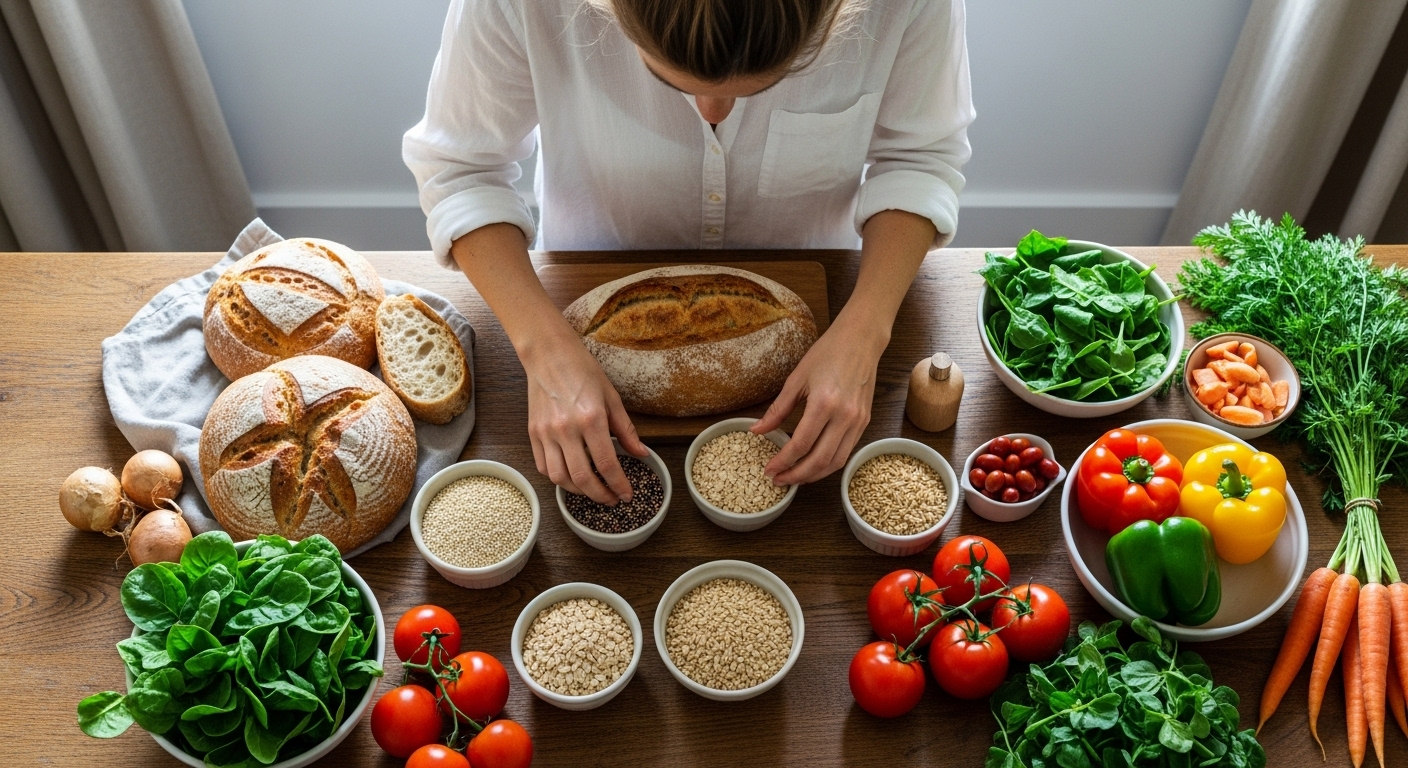
In recent years, interest has grown in heritage grains and traditional baking. Varieties such as spelt, emmer, and einkorn have returned to UK health shops and artisan bakeries. These grains often contain different gluten structures and higher micronutrient levels.
Slow fermentation, whole-grain milling, and diverse crop rotation practices restore some of the nutritional integrity lost during industrialisation. While they are not suitable for people with coeliac disease, they may provide a gentler alternative for others seeking more digestible bread.
This movement bridges the gap between the ancient and the modern, proving that progress and tradition can coexist. It reflects a broader desire to eat mindfully and reconnect with food’s origins.
Gluten in the Context of a Balanced Modern Diet
Understanding gluten’s history helps put modern dietary debates in perspective. Gluten itself is neither enemy nor miracle ingredient. Its impact depends entirely on context.
A diet high in processed foods and low in fibre can make anyone feel sluggish, regardless of gluten. Conversely, a balanced diet rich in whole foods, fruits, vegetables, and minimally processed grains supports digestive health, whether gluten is present or not.
The healthiest approach is not automatic exclusion but informed inclusion — eating with awareness, variety, and respect for the body’s individual responses.
Conclusion: Gluten’s Long Journey from Ancient Staple to Modern Controversy

Gluten’s story spans thousands of years, from ancient fields to modern factories. Once a symbol of sustenance and civilisation, it became a scapegoat for the excesses of industrial food. The transformation of how we grow, process, and eat wheat has shaped not only the protein’s reputation but also the public’s relationship with food itself.
Industrialisation, hybridisation, and convenience culture increased gluten’s presence and altered its form. In response, the gluten-free movement arose — part necessity, part reaction to modern food complexity.
By revisiting gluten’s origins, we gain clarity. The issue is not gluten alone but how modern systems have changed our diet, environment, and expectations. Understanding this journey helps separate fact from fear and reminds us that good health begins not with restriction but with knowledge, balance, and connection to our food’s true history.
About the Author